
Text/ Yaman Shao
"Encountering Serenity in the Midst of Madness" seemed, in retrospect, to foreshadow the profound transformations our world would soon undergo. “The Place Where There Is No Darkness” has since become the emotional lens through which I have come to perceive those countless changes.
In November 2020, I embarked on an experiment.
On the second floor of ALIEN Art Centre, I began sharing with visitors not only artworks, but also a way of seeing. Through the composition of moving images and sound, I brought together my father's artistic practice and my own, allowing them to unfold as an ongoing dialogue. At the same time, this became a way of urging myself to continue creating. Only by remaining engaged in the act of making could I experience emotions that curatorial practice alone could never fully reveal, and preserve the passion for art that has always sustained me.
For me, making art has been a continuous practice for as long as I can remember. My father, however, followed an entirely different path.
At the age of fifty-two, in the very month that His Eminence Garchen Rinpoche bestowed upon him a Dharma name, an extraordinary creative force emerged within him. His works reveal an intense transition—from restraint to liberation. Having witnessed part of his entrepreneurial journey firsthand, I have come to understand this transformation as the manifestation of an indomitable will.
It is impossible not to admire such determination.
Most artists spend years navigating uncertainty before gradually discovering their artistic language. My father seemed to bypass that long period of searching altogether, arriving almost immediately at a stage where art was no longer simply being produced, but created with the confidence and conviction of an artist who had already found his own voice.
In November 2020, “Encountering Serenity in the Midst of Madness” officially opened.
"Madness" and "Serenity" quickly became the words people most often associated with my father and me. Visitors frequently remarked on the striking contrast between our personalities and found the juxtaposition unexpectedly fascinating.
The phrase "Madness and Serenity" originally derives from the Dharma name bestowed upon my father by Garchen Rinpoche in April 2019. It describes someone who may appear unconventional—even wildly uninhibited—yet remains inwardly composed and unwavering.
When translating the exhibition title into English, I chose “Encountering Serenity in the Midst of Madness”.
To me, the phrase describes a state in which one pushes oneself to the very edge of intensity before arriving at an unexpected stillness.
Yet beyond language itself, my greater hope was that viewers might experience this transformation directly through the paintings—the rhythm of each brushstroke, the richness of color, the tactile quality of layered surfaces, and even the visual resonance of silence. Some might feel exhilarated; others, quietly at ease. Each response would be equally complete.
Music and art require no words. Their power lies precisely in their ability to communicate through immediate and deeply intuitive experience.
What has become increasingly evident, however, is that as exhibitions continue to grow in scale and complexity, the amount of time visitors are able to devote to experiencing them has become ever more limited—far shorter than the months, and sometimes years, invested by curators, researchers, artists, and production teams before an exhibition ever opens.
Behind every exhibition lies an immense accumulation of research, dialogue, documentation, fabrication, and collaboration. Yet for most viewers, their encounter with the work may last only a brief moment.
This reality has led me to ask a simple but essential question:
Within that fleeting encounter, can a work of art still communicate something that transcends information?
Can it leave behind an emotional resonance that continues long after one has left the exhibition space?
For me, this enduring resonance is where the true significance of art resides.
"Encountering Serenity in the Midst of Madness" speaks of a state that emerges only after one has exhausted every ounce of strength—a moment when intensity reaches its limit and unexpectedly gives way to clarity, stillness, and openness.
It is also a quiet hope.
That all of us, while moving through periods of struggle and uncertainty, may one day discover ourselves beyond who we once believed we were, arriving at a new stage of understanding.
The works presented in Encountering Serenity in the Midst of Madness were created from within such a state of mind.
The title therefore became my first annotation on the way I look at art.
Since ALIEN Art Centre reopened as a museum of contemporary art, the building has now lived through three complete cycles of the seasons.
Over these years, sunlight has gradually become one of the museum's most profound collaborators.
It has transformed the relationship between architecture and art into an experience inseparable from the passage of time.
Light and shadow continuously reshape the galleries, leaving behind moments of unexpected beauty—moments that exist only once before quietly disappearing.
What moves me is not simply the beauty of sunlight itself, but the awareness that each moment is unrepeatable.
At certain times of the year, light enters the galleries with astonishing precision, illuminating a wall, a floor, or a single work in ways that seem almost impossibly perfect.
To witness that exact moment again, one must wait another year.
And even then, there is no certainty that the sky will offer the same light.
Such experiences remind me that beauty often depends upon coincidence.
Like memories shared with someone we love—on a particular day, in a particular place—they remain unforgettable not because they can be recreated, but because they cannot.
Only when time, place, and uncertainty converge does an ordinary moment become something eternal. For many years, these changing patterns of sunlight existed only within the pages of my journals.
Gradually, however, they became something more.
They became my second annotation on the way I understand art.
“The Place Where There Is No Darkness” emerged naturally as the continuation of “Encountering Serenity in the Midst of Madness”.
If the earlier exhibition explored an inner transformation—from intensity to serenity—this exhibition turns its attention outward, toward the subtle relationships between light, time, space, and perception.
For this exhibition, I see the space itself as the primary vessel of meaning.
Everything within it exists to reveal the ever-changing dialogue between architecture, artwork, and the shifting conditions of the seasons. Light, rain, humidity, temperature, and the passage of time all become part of the exhibition's language.
For this reason, I have never regarded the exhibition as a fixed presentation.
Rather, it is an evolving organism.
Works may change with the seasons, and their placement may shift as the space itself continues to reveal new possibilities. These continual adjustments are not revisions after the work is complete; they are part of the creative process itself.
Creation, in my experience, is often sparked by fleeting moments.
Sometimes it begins with an overwhelming feeling that one wishes desperately to preserve.
Sometimes it arises from emotions that resist language, compelling us to construct images where words can no longer reach.
At other times, it grows from the desire to respond differently—to offer another perspective on something already taken for granted, even if doing so invites disagreement or conversation.
Each of these impulses becomes a way of recording one's passage through life.
Art, after all, is not simply the production of objects.
It is a way of remembering.
A way of understanding.
A way of leaving traces of how we have lived.
If, in the end, something gentle can be carried forward through these works—something that accompanies another person long after they leave the exhibition—then I hope it is not a conclusion, but a way of meeting the countless changes that life inevitably brings.
With openness.
With compassion.
And with the quiet acceptance that not everything needs to be overcome in order to be understood.
That hope is contained in the title “The Place Where There Is No Darkness”.
Not because darkness does not exist.
But because, after learning to live with the world's endless transformations, we may discover another way of seeing.
A place where darkness no longer defines what we perceive.
Where light is no longer merely illumination, but a state of mind.
Where serenity is no longer the absence of turmoil, but the freedom to remain present within it.
Perhaps, in the end,
there is no darkness.
S.Y.T., Without Darkness, 2021, acrylic on canvas, 189 x 189 cm © ALIEN Art Centre
S.Y.T., Thousands of armed forces, 2021, acrylic on canvas, 189 x 189 cm © ALIEN Art Centre
S.Y.T., Liberation, 2020, acrylic on canvas, 189 x 189 cm © ALIEN Art Centre
S.Y.T., Being down-to-earth to make a fortune, 2021, acrylic on canvas, 189 x 189 cm © ALIEN Art Centre
Yaman Shao, The Miracle Four Minutes, 2021, 4'00, loop, Single channel video, colour, silent
Yaman Shao, The Light from the Distant Stars, 2021, oil on canvas, 160x135 cm © ALIEN Art CentreCentre
Yaman Shao, The Hands of Sunlight, 2021, 0'35, loop, Single channel video, colour, silent
Yaman Shao, Stone, 2021, oil on canvas, 46x33 cm © ALIEN Art Centre
Yaman Shao, Moon Light, 2021, oil on canvas, 162x130 cm © ALIEN Art Centre
Yaman Shao, The Entrance of the Dream, 2021, acrylic on canvas, 235x118 cm © ALIEN Art Centre
Yaman Shao, The Milky Dream, 2021, oil on canvas, 91x72.5cm © ALIEN Art Centre
Yaman Shao, Flowers in The Window, 2021, Dimensions variable, Installation © ALIEN Art Centre
Yaman Shao, In the Studio © ALIEN Art Centre
S.Y.T., In the Studio © ALIEN Art Centre
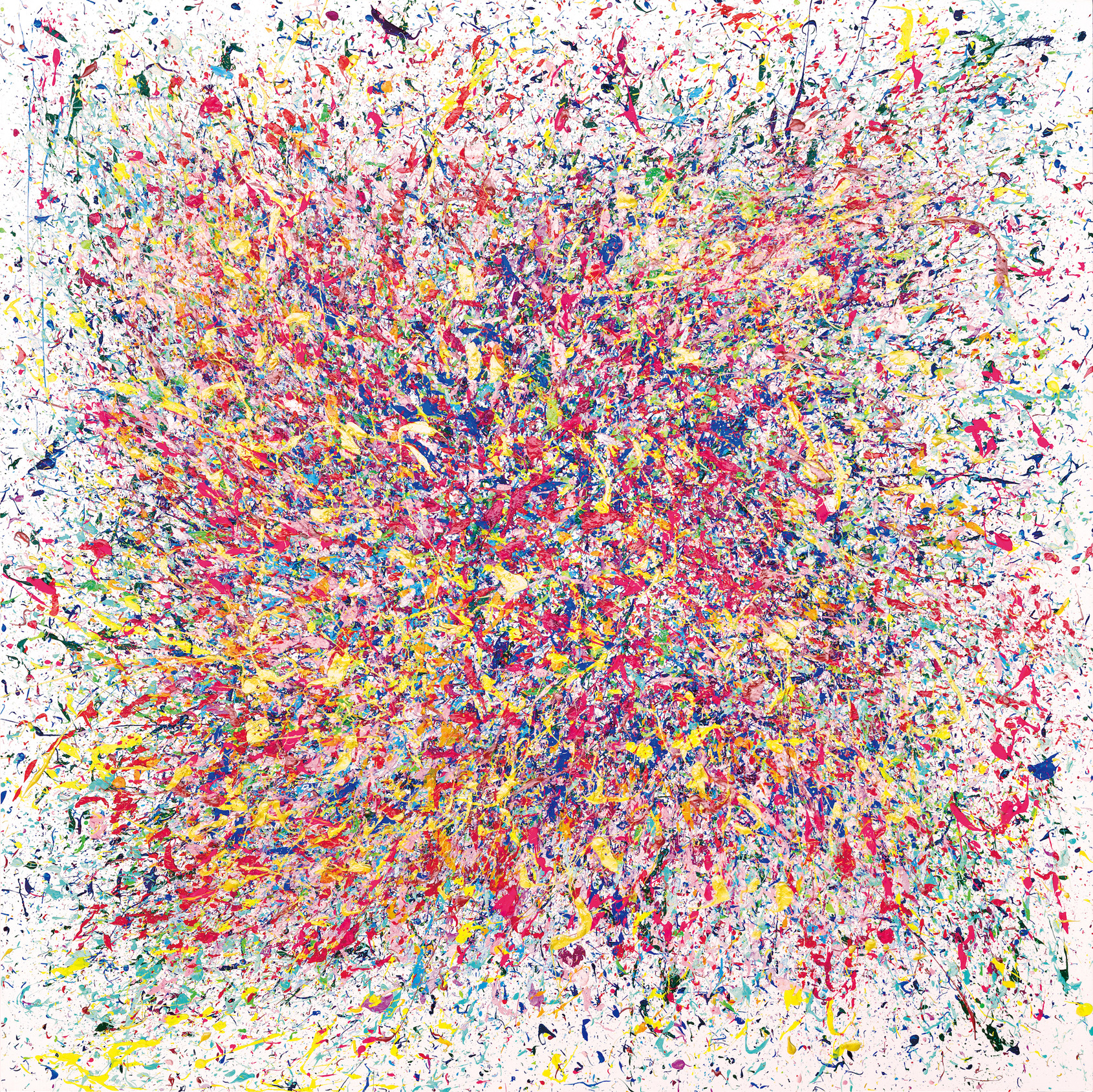
S.Y.T., Without Darkness, 2021, acrylic on canvas, 189 x 189 cm © ALIEN Art Centre
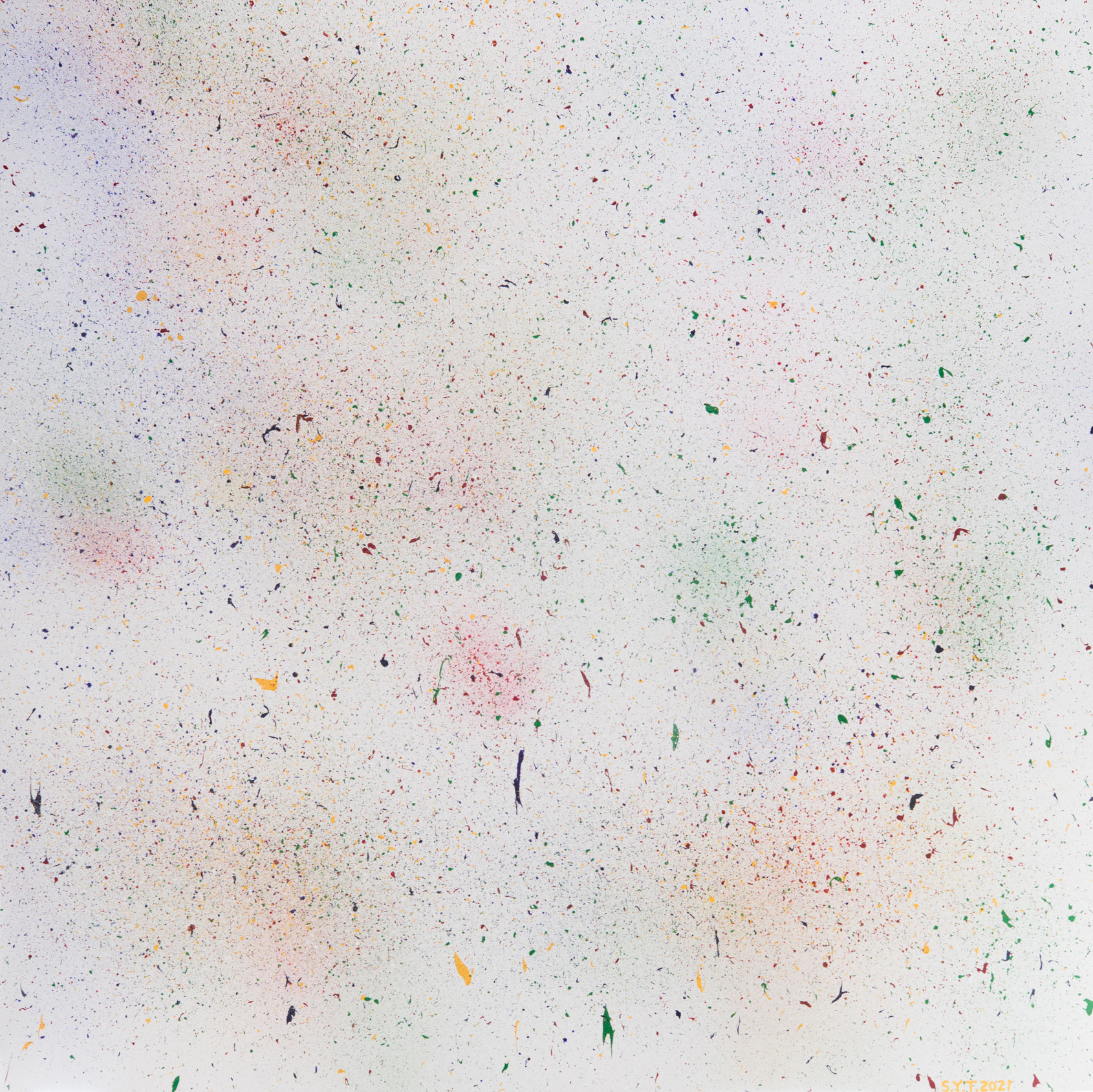
S.Y.T., Thousands of armed forces, 2021, acrylic on canvas, 189 x 189 cm © ALIEN Art Centre
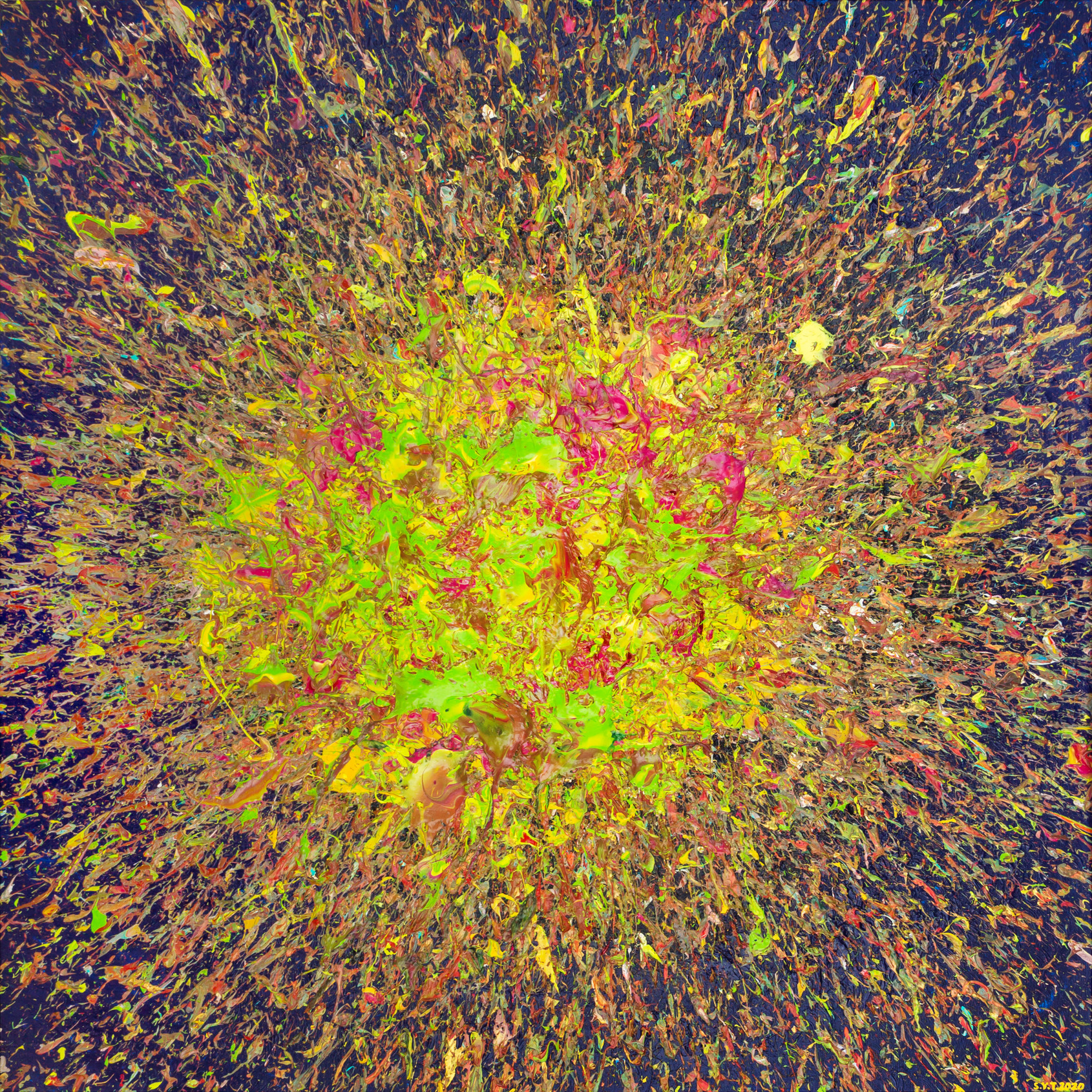
S.Y.T., Liberation, 2020, acrylic on canvas, 189 x 189 cm © ALIEN Art Centre
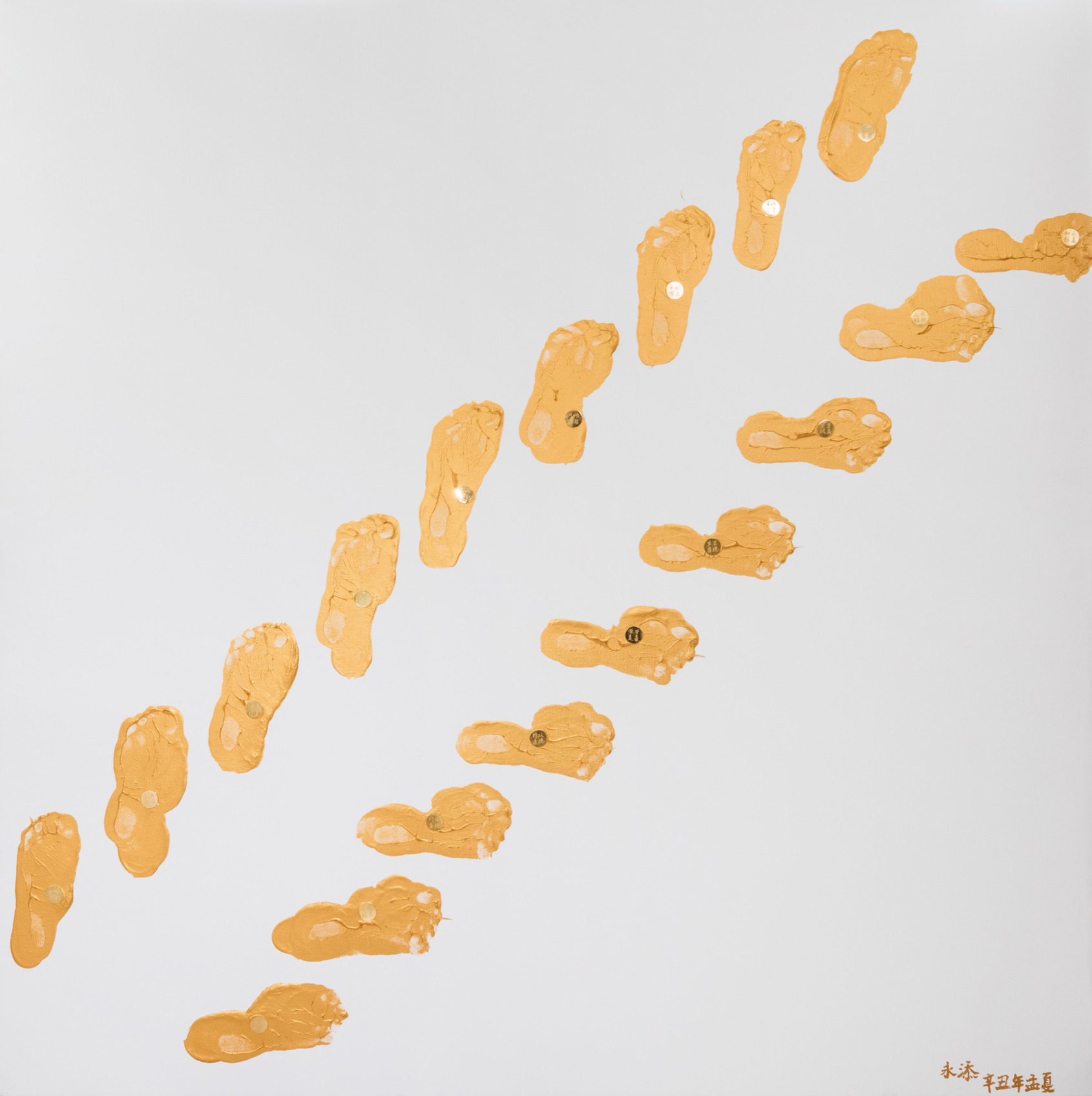
S.Y.T., Being down-to-earth to make a fortune, 2021, acrylic on canvas, 189 x 189 cm © ALIEN Art Centre
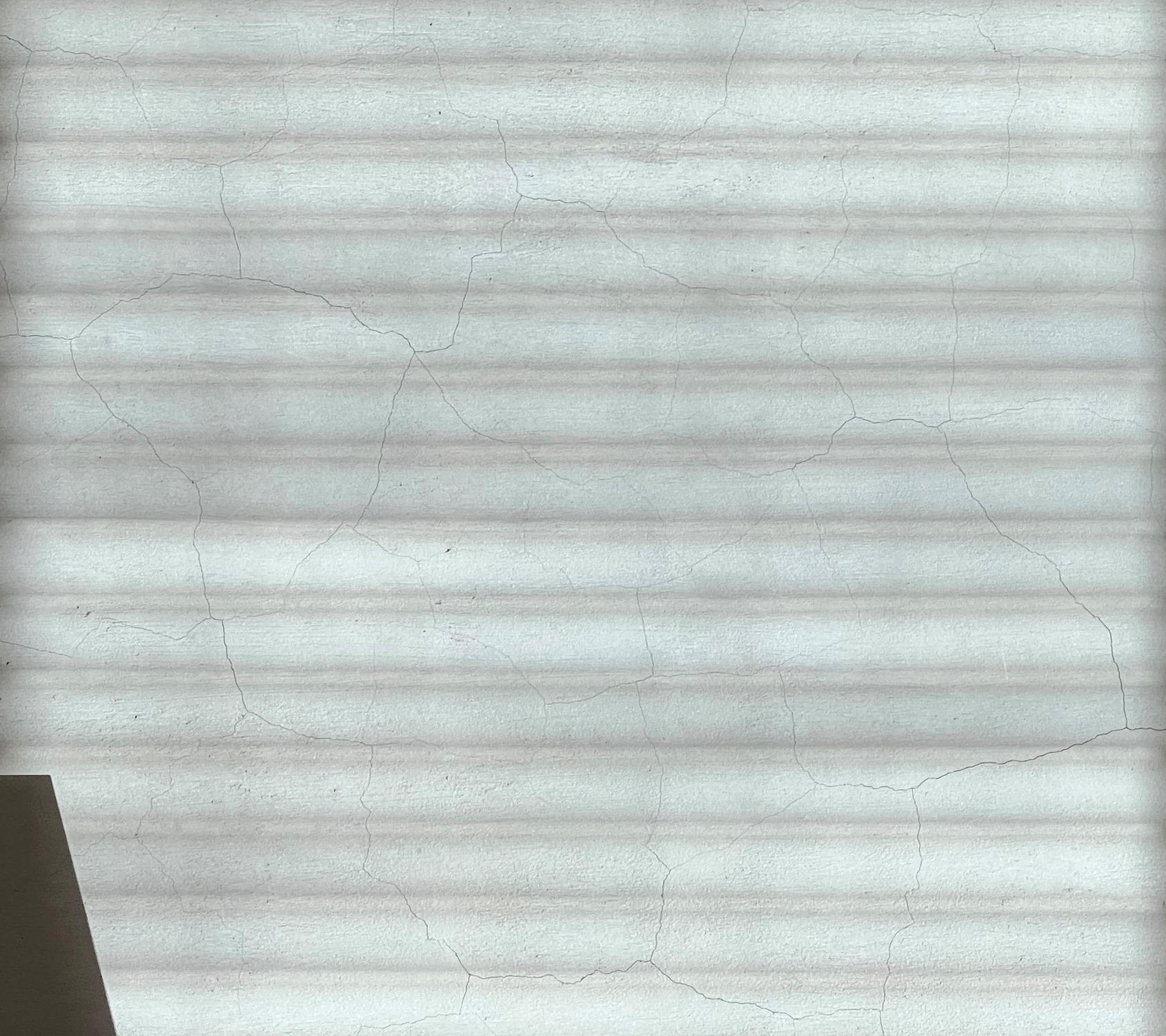
Yaman Shao, The Miracle Four Minutes, 2021, 4'00, loop, Single channel video, colour, silent
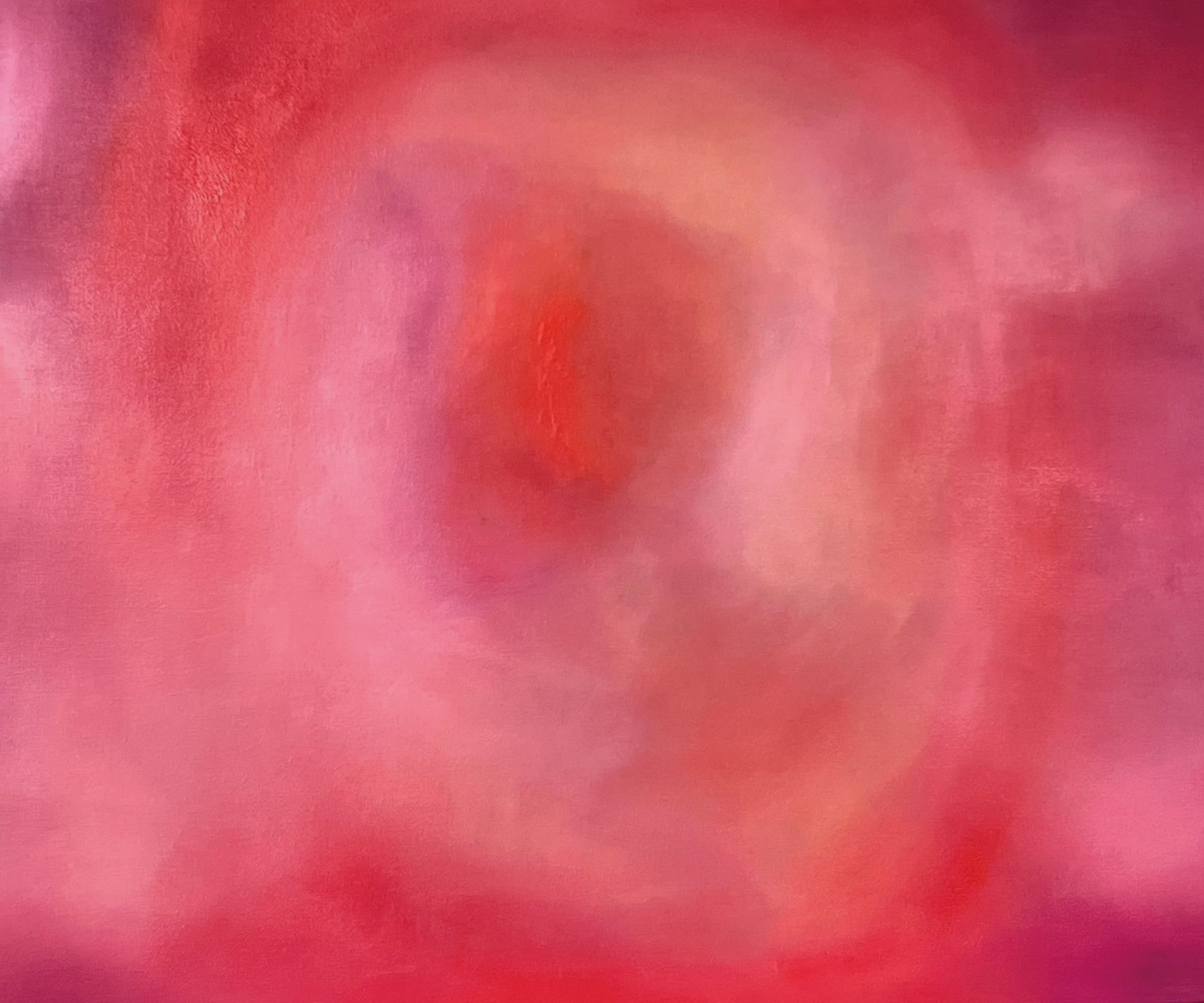
Yaman Shao, The Light from the Distant Stars, 2021, oil on canvas, 160x135 cm © ALIEN Art CentreCentre
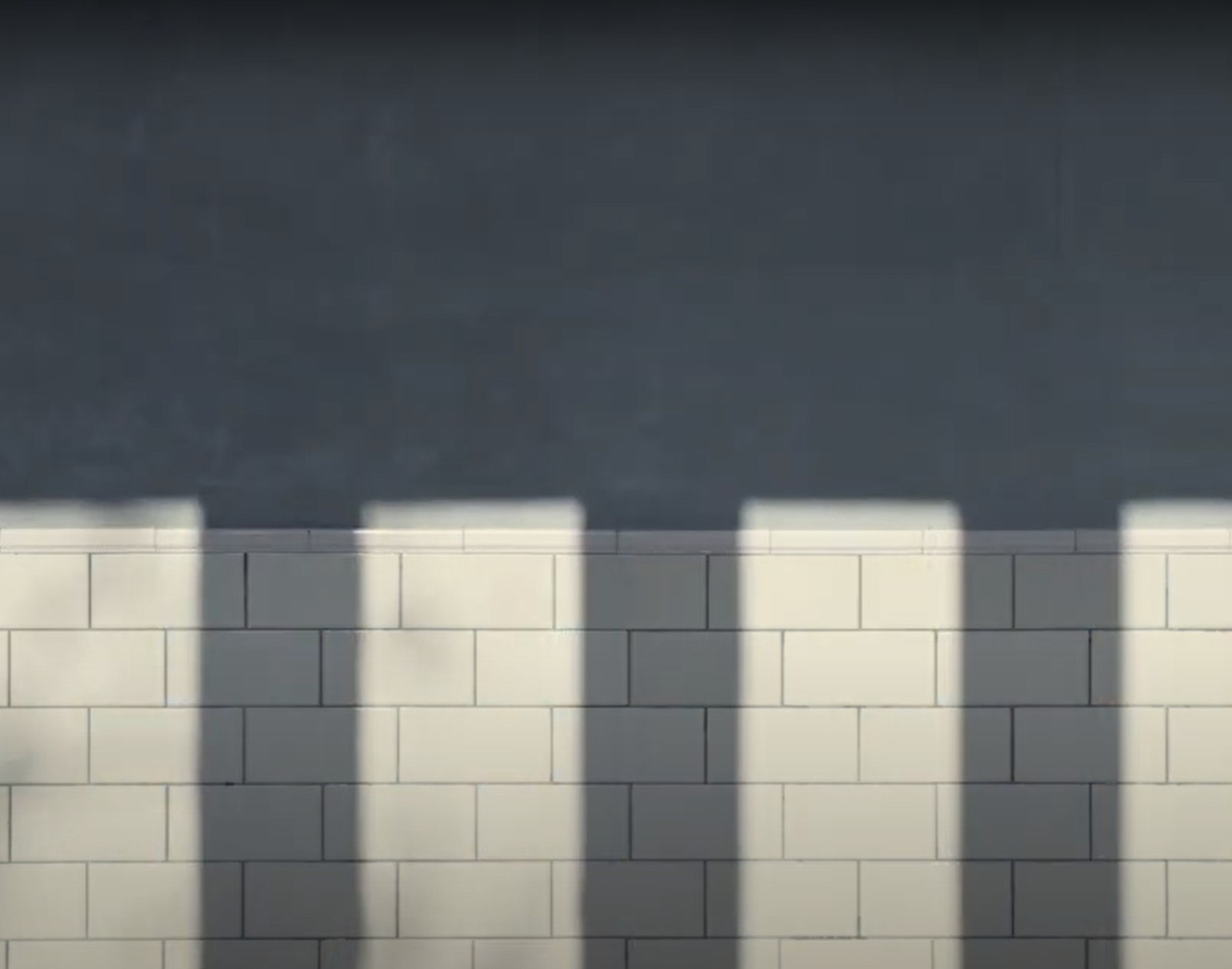
Yaman Shao, The Hands of Sunlight, 2021, 0'35, loop, Single channel video, colour, silent
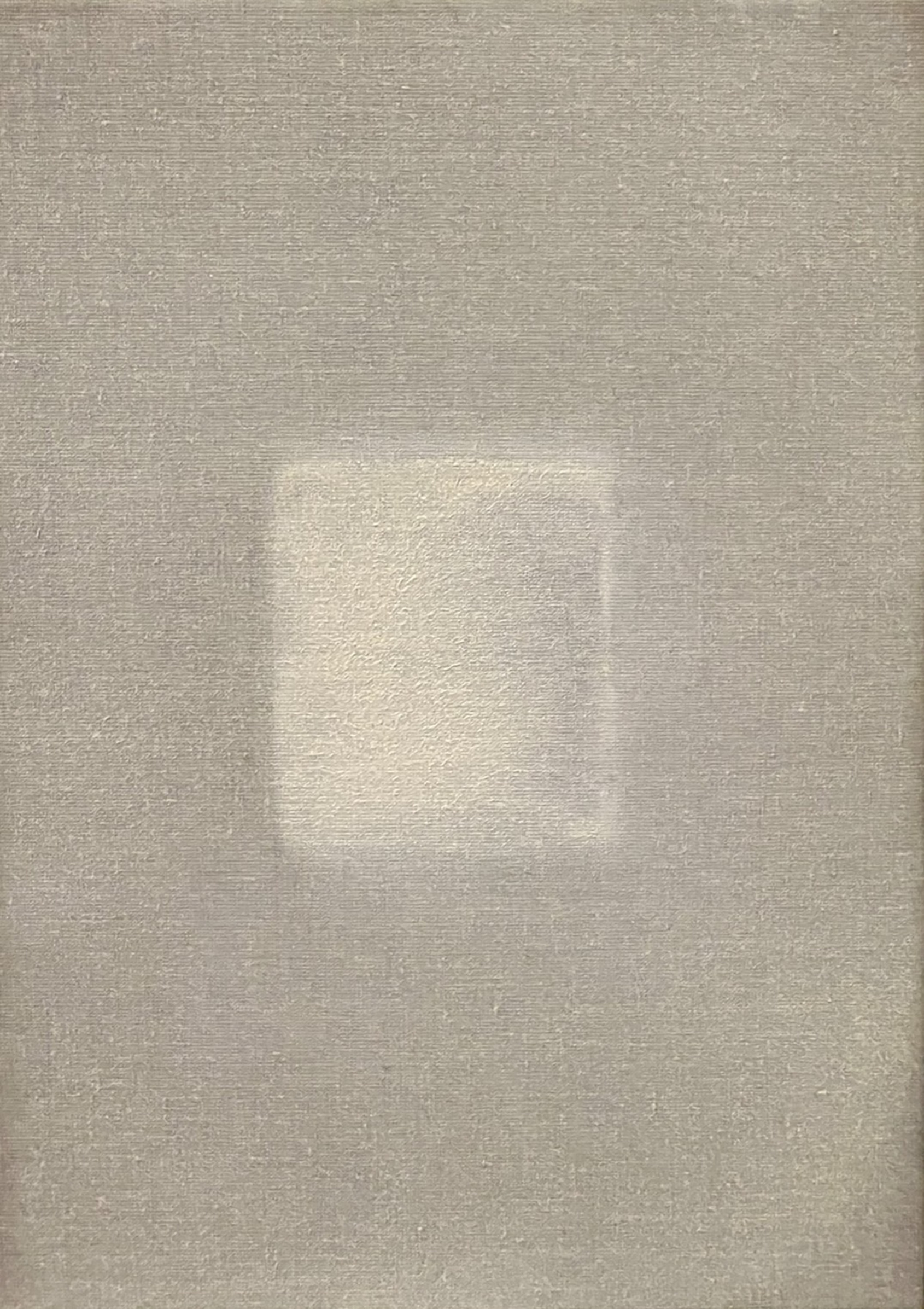
Yaman Shao, Stone, 2021, oil on canvas, 46x33 cm © ALIEN Art Centre
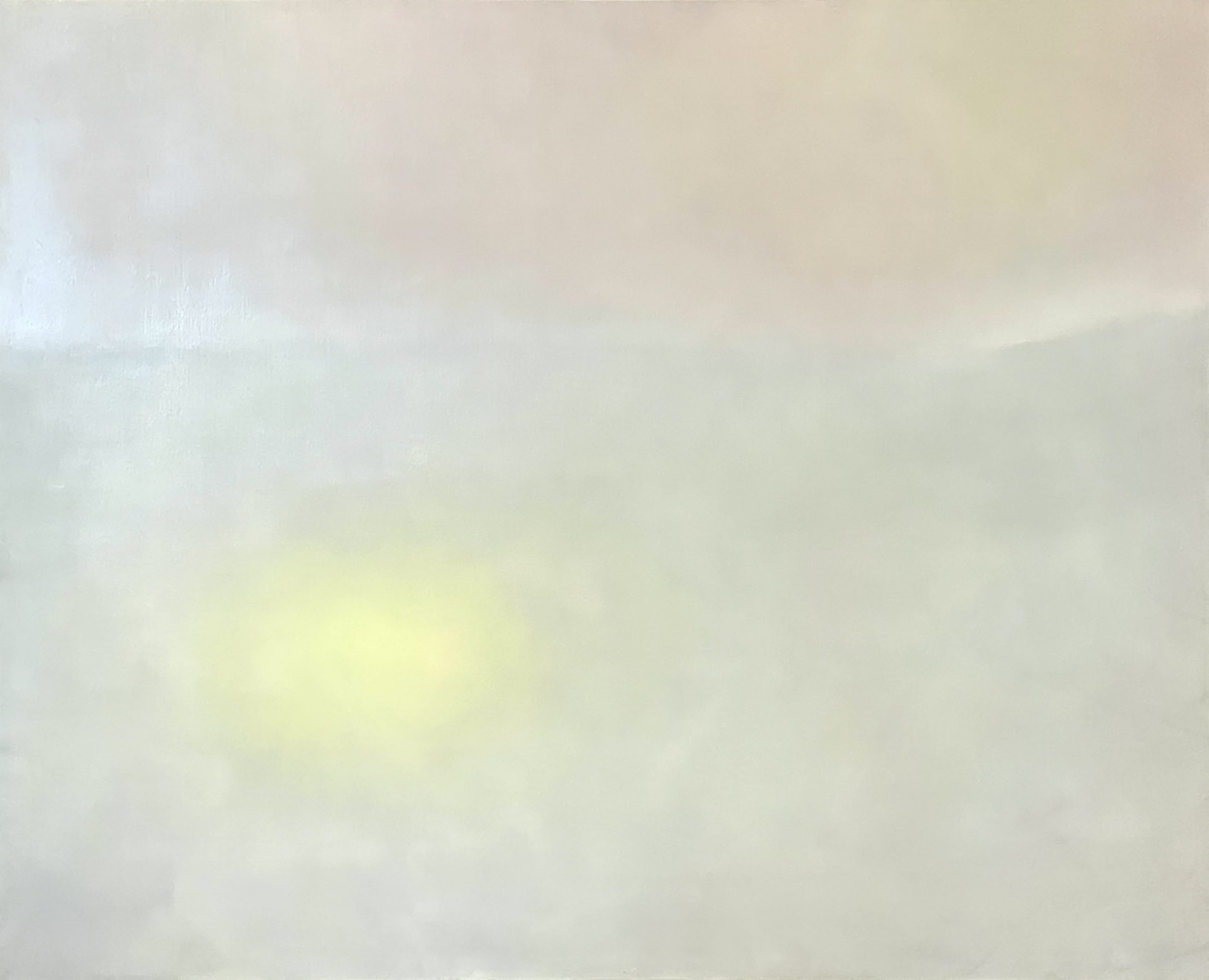
Yaman Shao, Moon Light, 2021, oil on canvas, 162x130 cm © ALIEN Art Centre
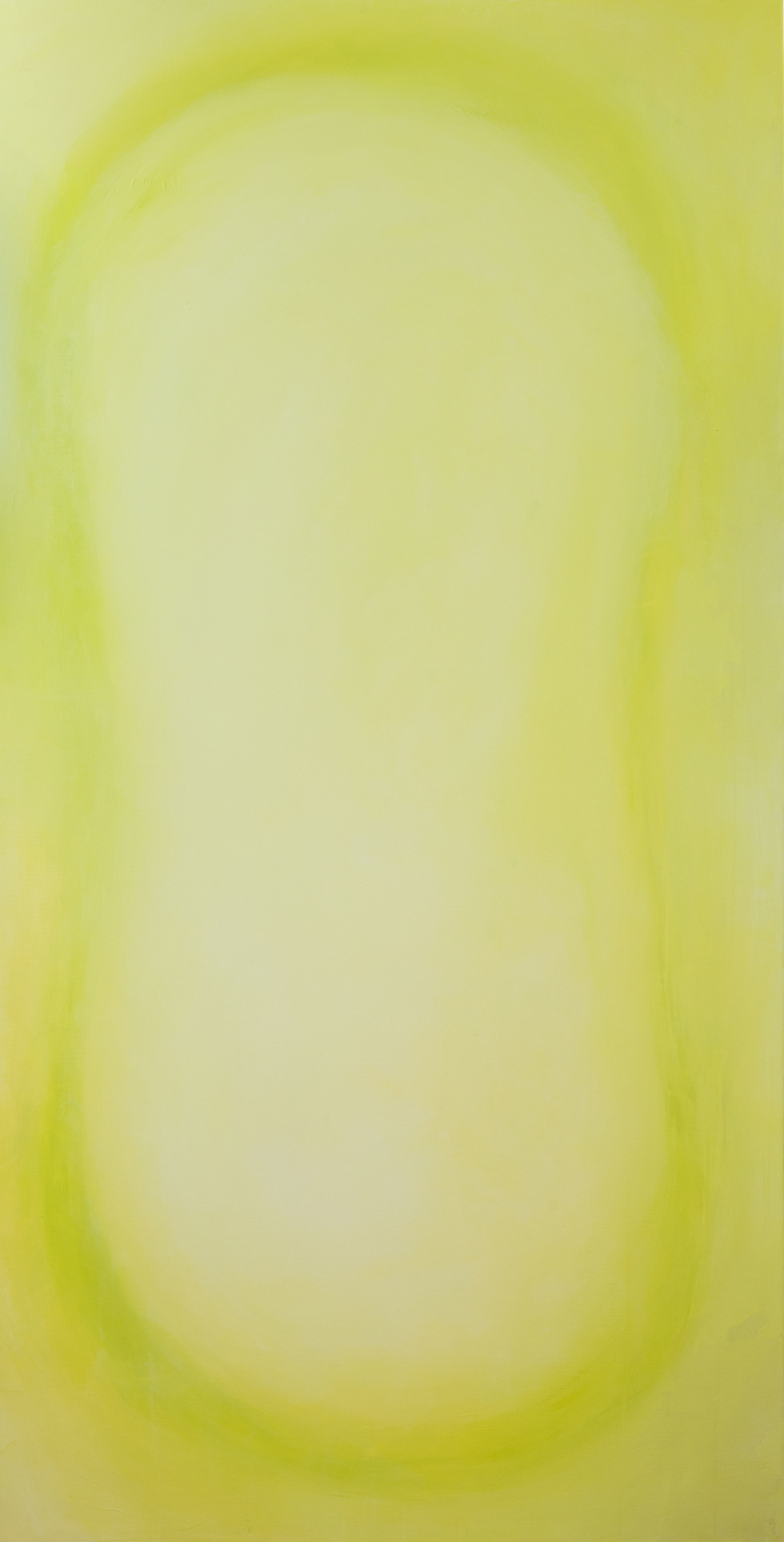
Yaman Shao, The Entrance of the Dream, 2021, acrylic on canvas, 235x118 cm © ALIEN Art Centre
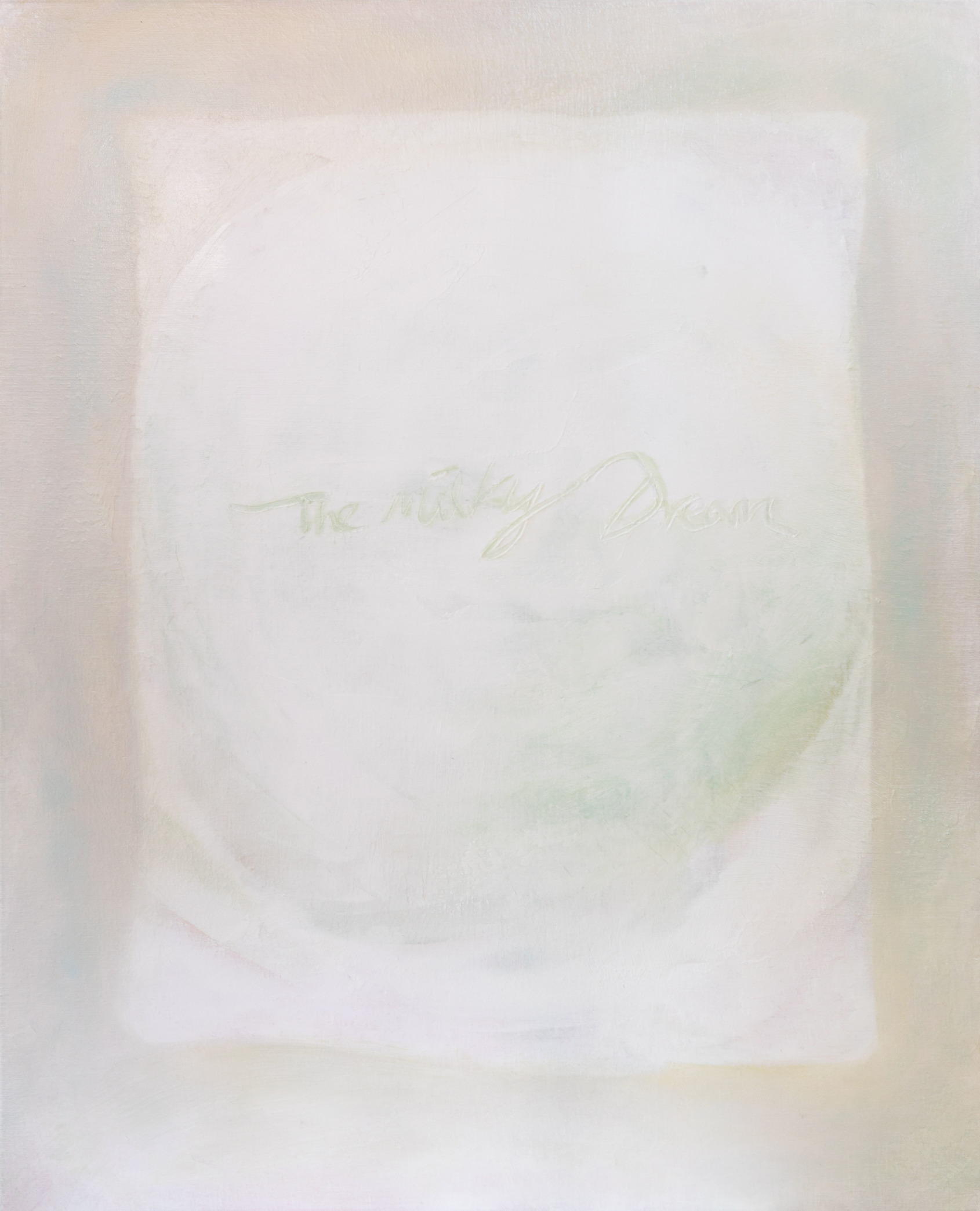
Yaman Shao, The Milky Dream, 2021, oil on canvas, 91x72.5cm © ALIEN Art Centre
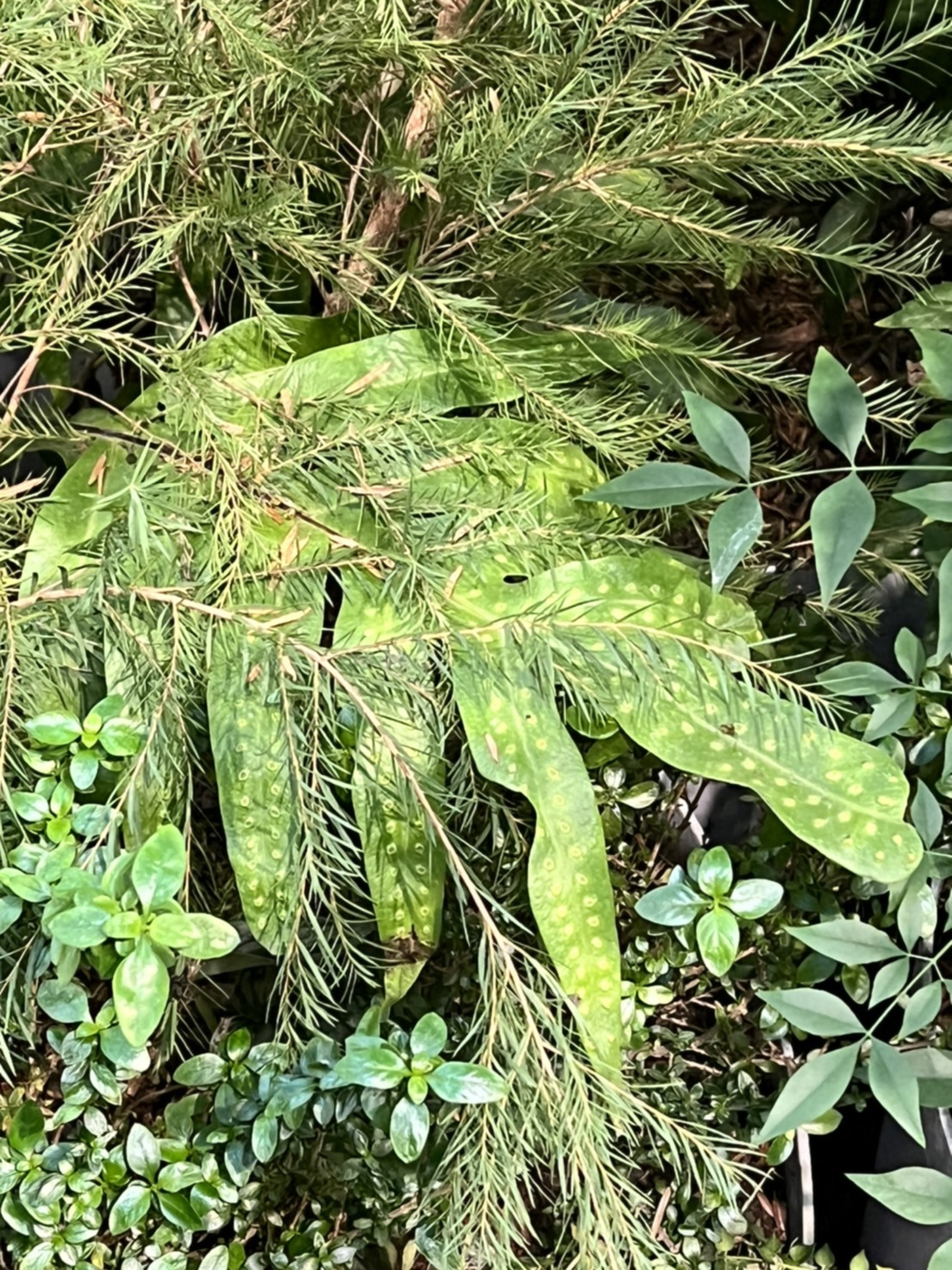
Yaman Shao, Flowers in The Window, 2021, Dimensions variable, Installation © ALIEN Art Centre
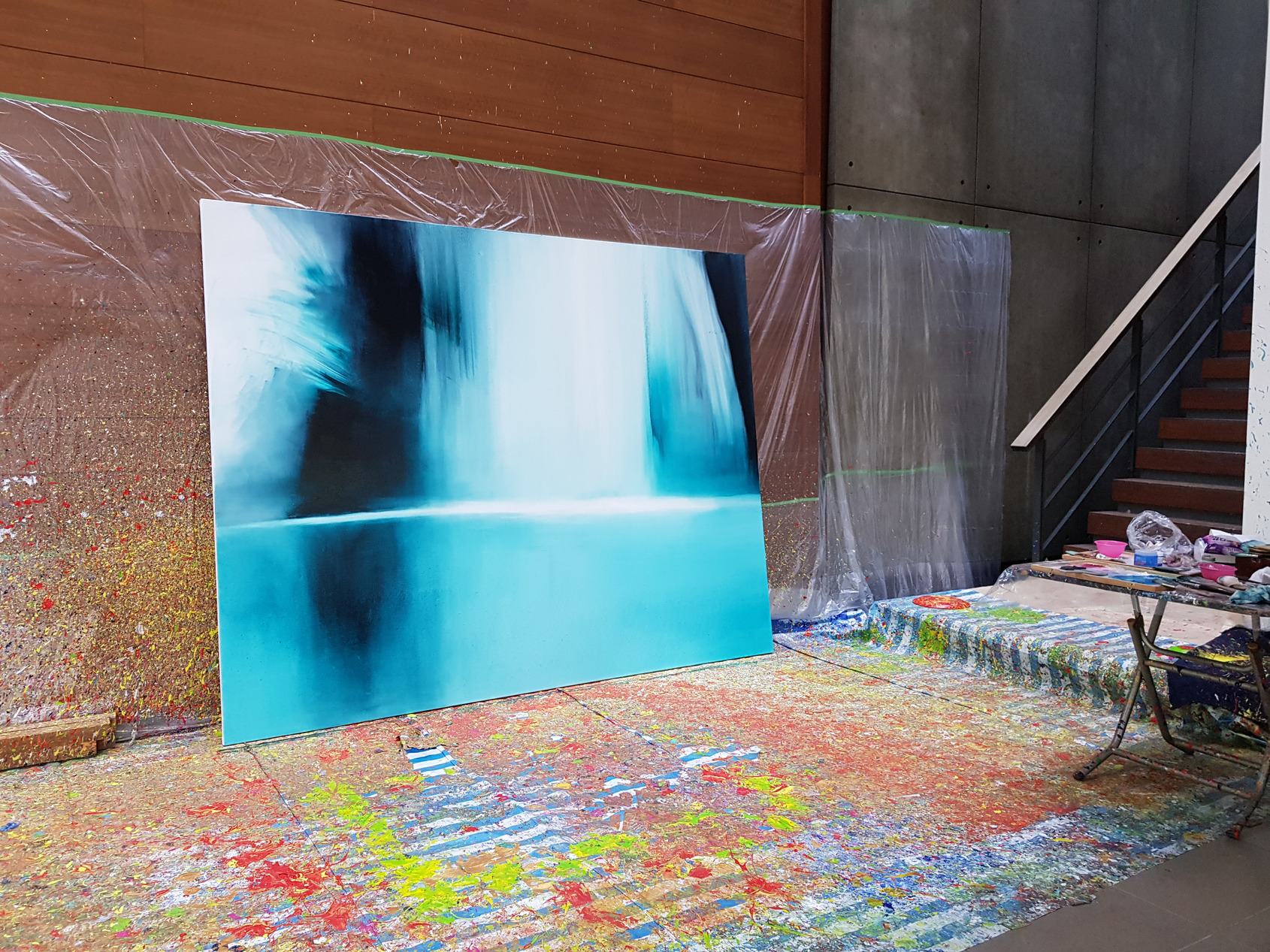
Yaman Shao, In the Studio © ALIEN Art Centre
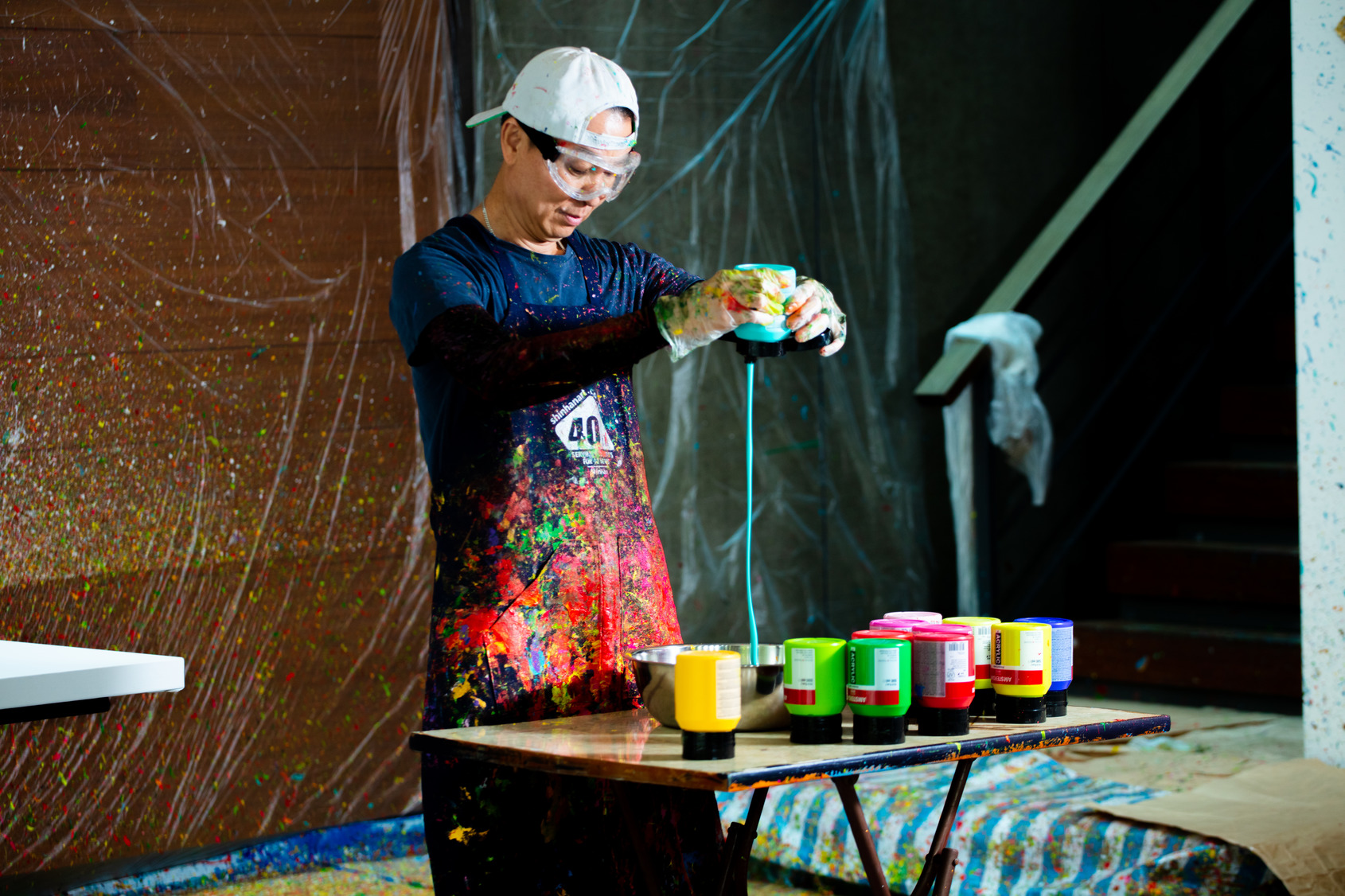
S.Y.T., In the Studio © ALIEN Art Centre