
If the exhibition reflects the restorative energy embedded within materiality, then the history of ALIEN Art Centre in Kaohsiung is itself a real footnote to the transformation of space and the generation of culture.
This feature begins with the architectural and historical background of the former Kinma Hostel, and extends into the curatorial vision of Yaman Shao, Director and Curator of ALIEN Art Centre—centering on visual creation, regionality, and spatial experience. Framed by the museum’s annual theme of Materiality and the exhibition Dust and Gold — Makoto Fujimura and Shozo Michikawa, it guides readers toward an understanding of how ALIEN Art Centre has built, within a historic building, an artistic ecosystem that connects exhibitions, everyday life, and the city.
The Rebirth of Space: The Artistic Ecosystem of ALIEN Art Centre
At the heart of ALIEN Art Centre is the curatorial practice of its Director and Curator, Yaman Shao, who foregrounds visual creation, regionality, and spatial experience as key principles. Through interdisciplinary exhibitions that respond to contemporary issues, she seeks to return the originality of art to everyday life. For her, art is not merely a static display within an exhibition, but a bridge linking space, history, and the lived experience of viewers.
The selection of works and the orchestration of space follow the museum’s own narrative structure. Within Shao’s curatorial thinking, works are chosen not simply for their formal qualities, but for the ways in which they allow time and relationships to be sensed through the encounter between artwork, site, and viewer.
Permanent Installations: Light and Memory
At its opening in 2019, ALIEN Art Centre presented two site-specific permanent installations that left a strong impression on the art world. James Turrell’s The Colonnade Canal shapes an immersive meditative experience through the changing colors of light from day into night, inviting viewers to confront the sky itself. Meanwhile, Crossing by Kingsley Ng and Stephanie Cheung, installed in the former communications room of the hostel, responds to the site’s history as a transit point through fragments of water droplets, text, and sound, paying tribute to those once connected to Kinma Hostel.
One work is contemporary, the other historical; one operates on a cosmic scale, the other emerges from personal memory. Together, they established the dual foundations of the museum’s curatorial trajectory.
Exhibition Practice: International Perspectives and Dialogues of Perception
The first and second floors of ALIEN Art Centre are dedicated to internationally oriented, research-based exhibitions, including postwar artists such as Arman, Shozo Shimamoto, Hsiao Chin, and Aviani. These exhibitions seek to fill in overlooked trajectories within both Eastern and Western art historical discourse. At the same time, the museum has also presented Taiwanese mid-career artists such as Lin Hong-Wen, Lai Chih-Sheng, and Joyce Ho, engaging with contemporary issues from local perspectives. The third floor focuses on the contemporary jewelry discourse—still rarely addressed by museums in Taiwan—exploring how art can enter and shape everyday life.
Annual Theme “Materiality × Ecology”: Dust and Gold — Makoto Fujimura and Shozo Michikawa
Following Celestial Eyes, which explored Materiality × Intelligence earlier in the year, ALIEN Art Centre’s annual theme for 2025 turns to Materiality. Opening on September 28, The Luminous Chapter / Dust and Gold shifts toward Materiality × Ecology, situating the exhibition within a broader international contemporary art discourse on materiality and ecology.
Dust and Gold — Makoto Fujimura and Shozo Michikawa goes beyond the framework of a purely visual exhibition. It is a meditation on the ethics of material and the ecology of culture. Working from the grounding of Eastern aesthetics, Fujimura and Michikawa employ clay, minerals, and gold to reveal that true vitality often resides within incompleteness and dust. As Yaman Shao notes, when we touch a stone or gaze upon a ceramic vessel, we are not merely encountering its physical existence; rather, we are entering into a relationship with the world through material itself. This exhibition becomes a map woven from “dust” and “gold,” inviting viewers to seek resonance through the language of matter.
Yaman Shao’s curatorial framework also reflects a recurring proposition at ALIEN Art Centre: when the external world fractures—whether through pandemic or natural crisis—how can art offer new imaginaries for survival? The answer may lie within material itself. As Heidegger wrote, “Art lets truth happen.” Shao gathers such fragments and weaves them into a ray of light, illuminating new possibilities for coexisting with the world and opening a luminous crevice in which the spirit may dwell amid uncertainty. The social dimension of art, then, emerges precisely through this transformation—from individual creation to collective empathy.
An Ecology of Art and Life: Extending Exhibition into Everyday Circulation
Today, ALIEN Art Centre has developed a complete art-life ecosystem. The museum itself is responsible for academic research and public education; the external curatorial and hospitality platform THE AMNIS offers immersive art-life experiences; ALIEN MODE promotes the integration of art collecting into daily life; and interdisciplinary programs continue to expand the boundaries of artistic audiences.
This structure sets ALIEN Art Centre apart from conventional museums in terms of cultural positioning: it is deeply interwoven with lived scenarios. The Echoes of All The Flowers connects design, popular music, and interactive multimedia, approaching the disappearance of domestic memory through a lighter and more accessible form. THE AMNIS integrates Michelin-level hospitality with contemporary art, allowing art to become part of the cultural texture of living and dining. ALIEN MODE, meanwhile, builds pathways between art, audiences, and collecting, transforming art collecting from the privilege of a few into a choice of everyday aesthetic life.
As Yaman Shao puts it:
“Culture is the way a group of people think and live; ecology is the ongoing cycle shaped by that way of life.”
Dust and Gold|Installation View|ALIEN Art Centre, 1F|© ALIEN Art Centre
ALIEN Art Centre | Interior Corridor View, 1F | © ALIEN Art Centre
Der rote faden|Installation View|ALIEN Art Centre, 3F|© ALIEN Art Centre
Les couleurs du Ch’an.Hommage à Hsiao Chin|Installation View|ALIEN Art Centre, 2F|© ALIEN Art Centre
Shozo Shimamoto:Across The Borderlands of Art|Installation View|ALIEN Art Centre, 2F|© ALIEN Art Centre
Crossing|Installation View|ALIEN Art Centre, 1F|© ALIEN Art Centre
Crossing|Installation View|ALIEN Art Centre, 1F|© ALIEN Art Centre
Corinth Canal|Installation View|ALIEN Art Centre, 1F|© ALIEN MODE
Dust and Gold|Installation View|ALIEN Art Centre, 1F|© ALIEN Art Centre
Dust and Gold|Installation View|ALIEN Art Centre, 1F|© ALIEN Art Centre
Dust and Gold|Installation View|ALIEN Art Centre, 1F|© ALIEN Art Centre
Dust and Gold|Installation View|ALIEN Art Centre, 1F|© ALIEN Art Centre
Dust and Gold|Installation View|ALIEN Art Centre, 1F|© ALIEN Art Centre
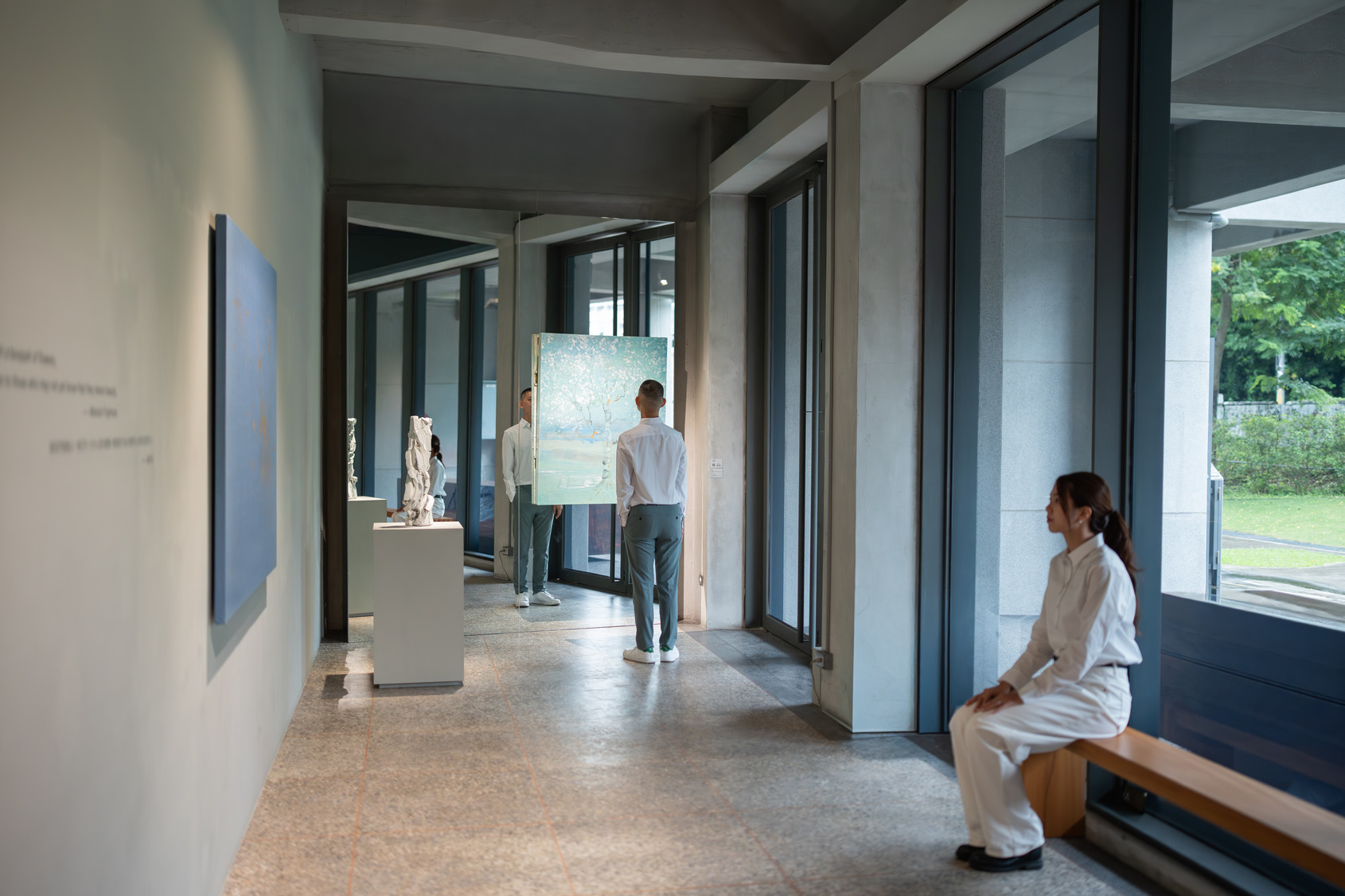
Dust and Gold|Installation View|ALIEN Art Centre, 1F|© ALIEN Art Centre
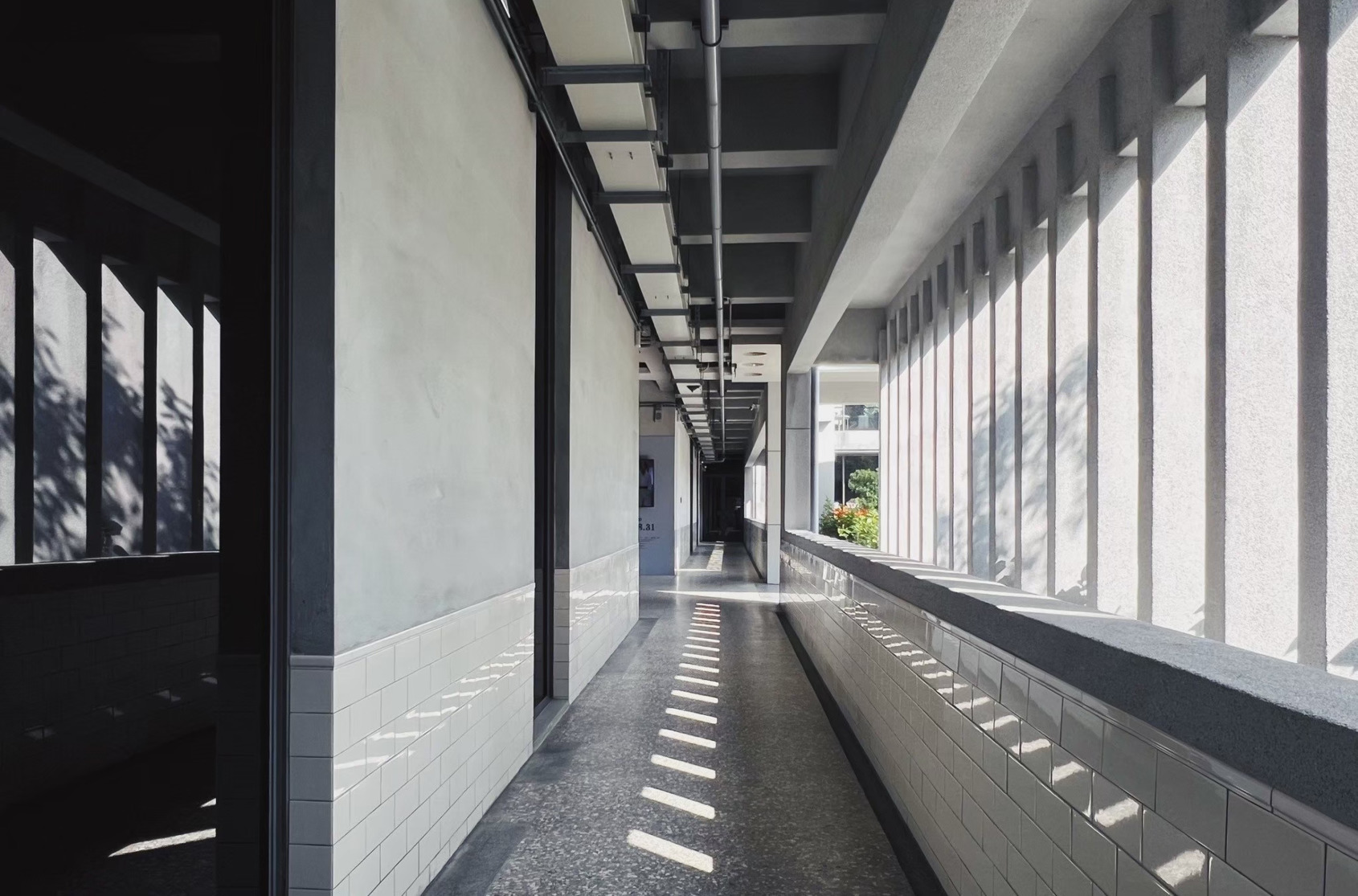
ALIEN Art Centre | Interior Corridor View, 1F | © ALIEN Art Centre
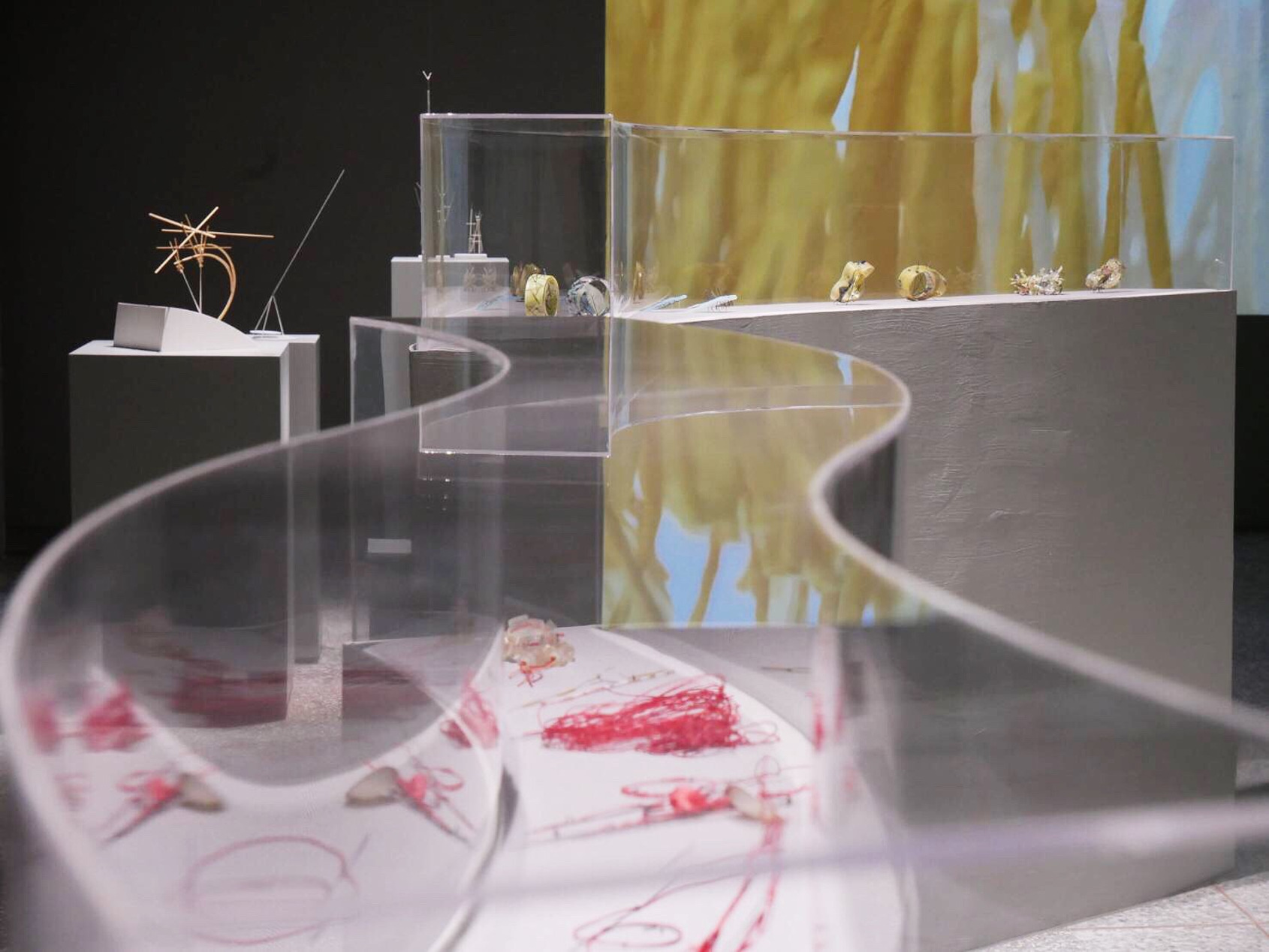
Der rote faden|Installation View|ALIEN Art Centre, 3F|© ALIEN Art Centre
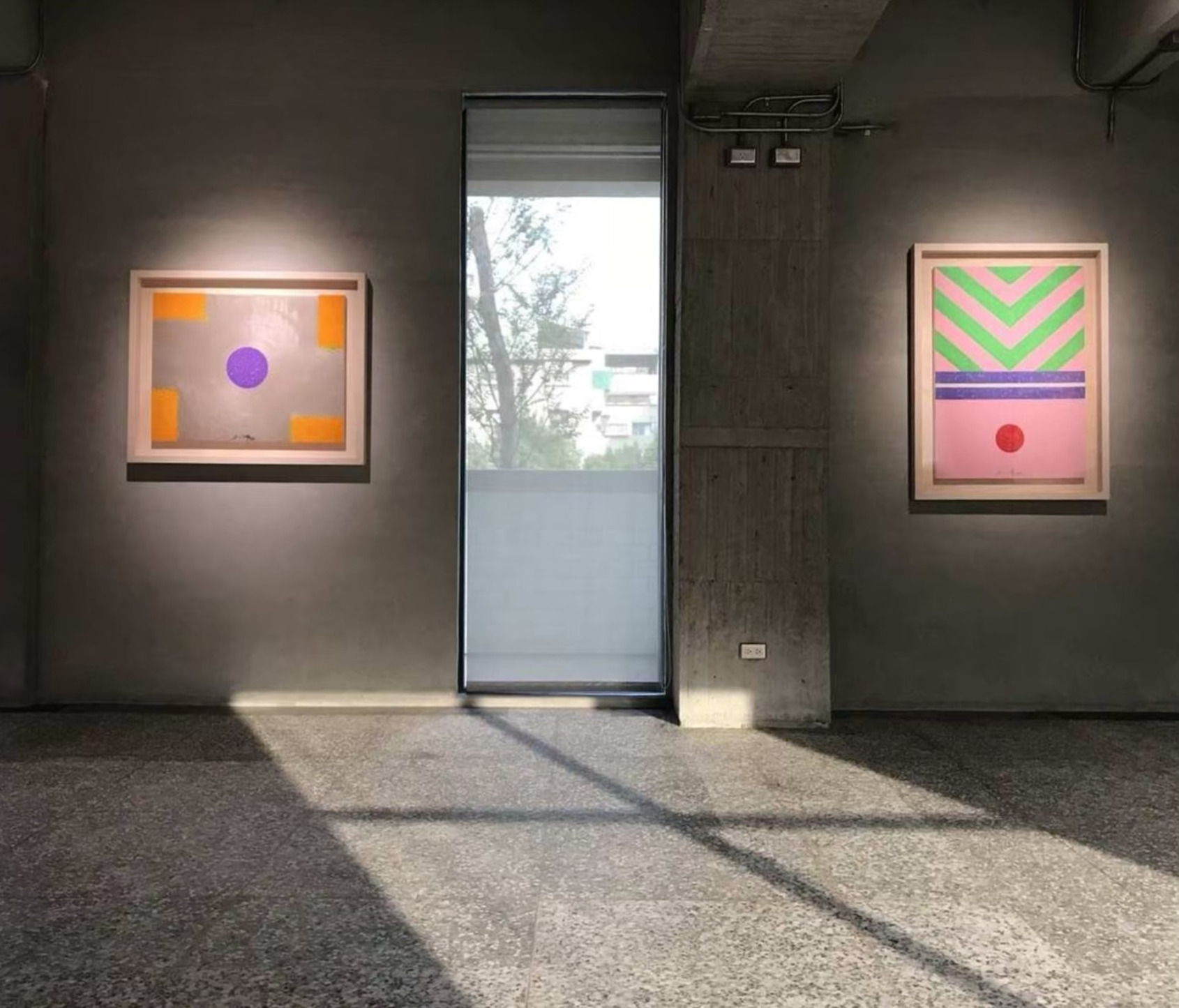
Les couleurs du Ch’an.Hommage à Hsiao Chin|Installation View|ALIEN Art Centre, 2F|© ALIEN Art Centre
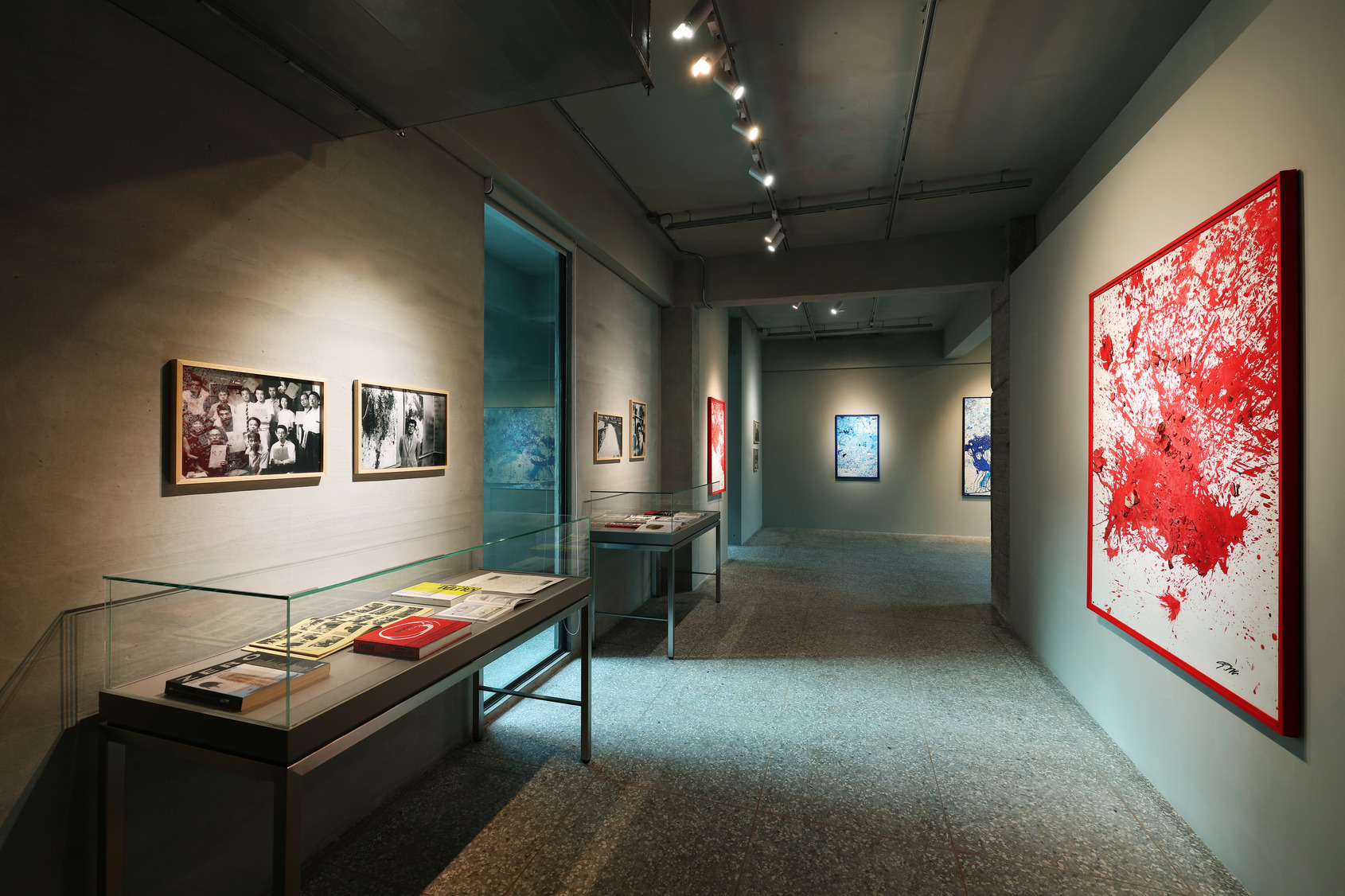
Shozo Shimamoto:Across The Borderlands of Art|Installation View|ALIEN Art Centre, 2F|© ALIEN Art Centre
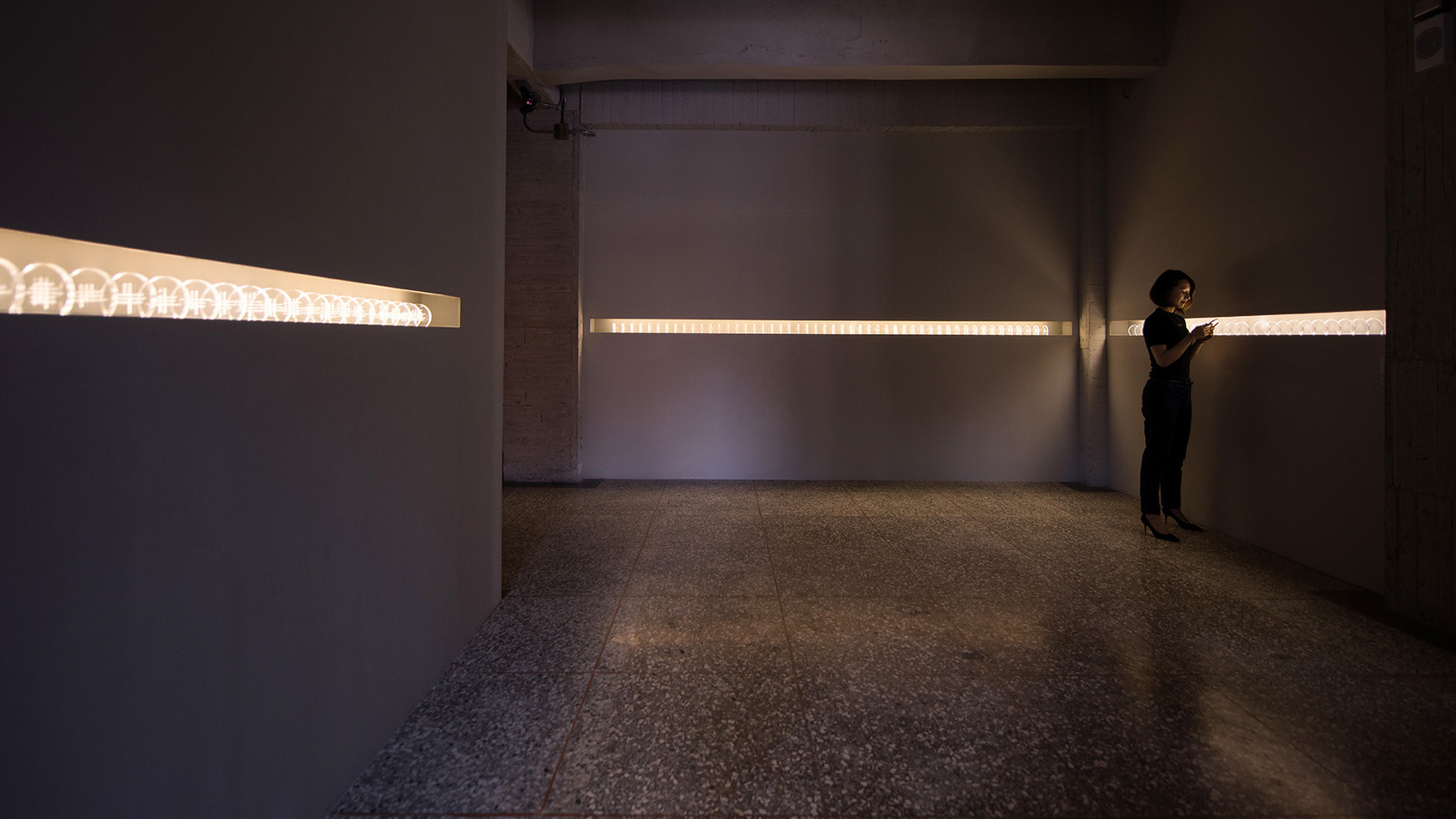
Crossing|Installation View|ALIEN Art Centre, 1F|© ALIEN Art Centre
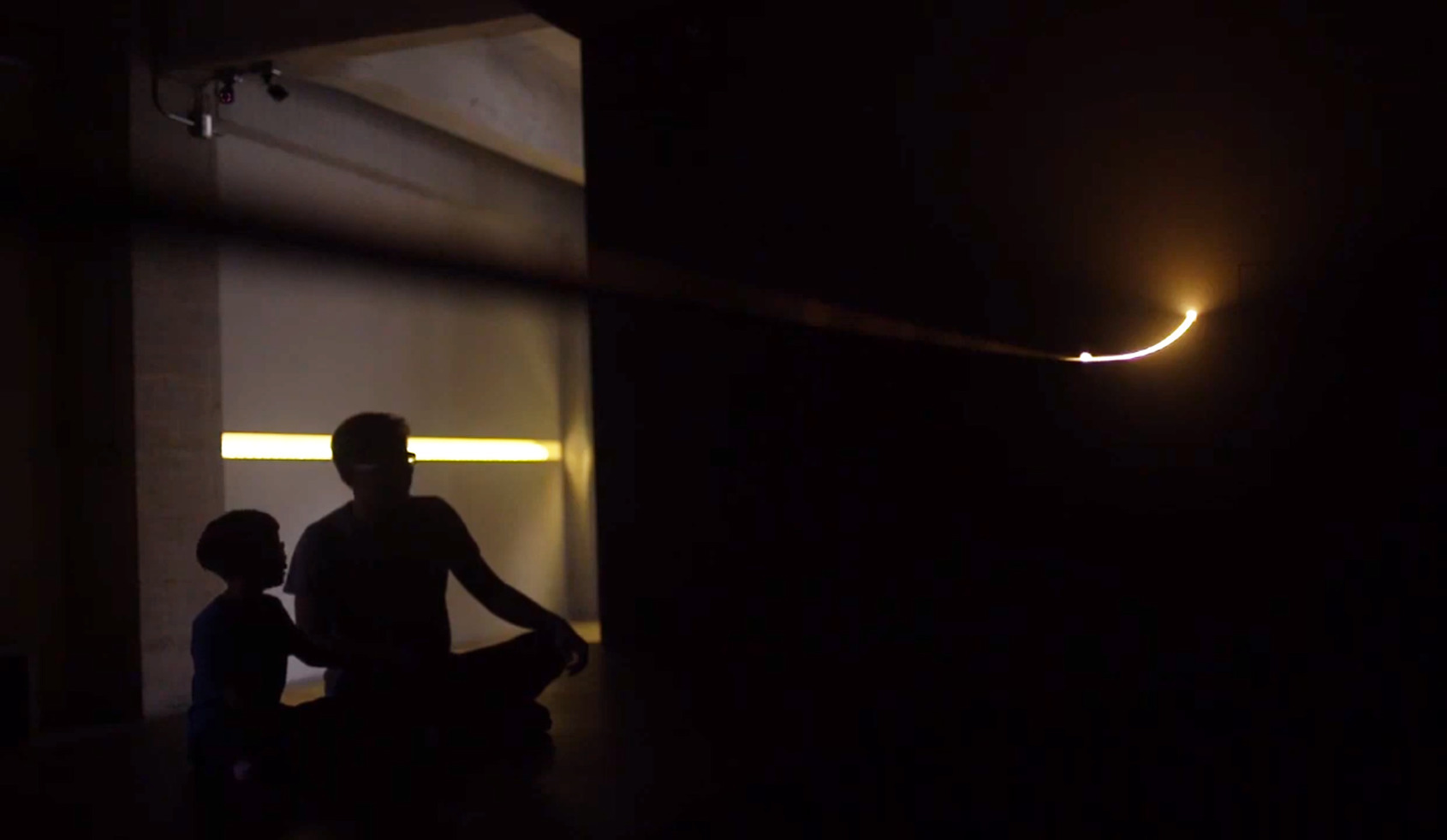
Crossing|Installation View|ALIEN Art Centre, 1F|© ALIEN Art Centre
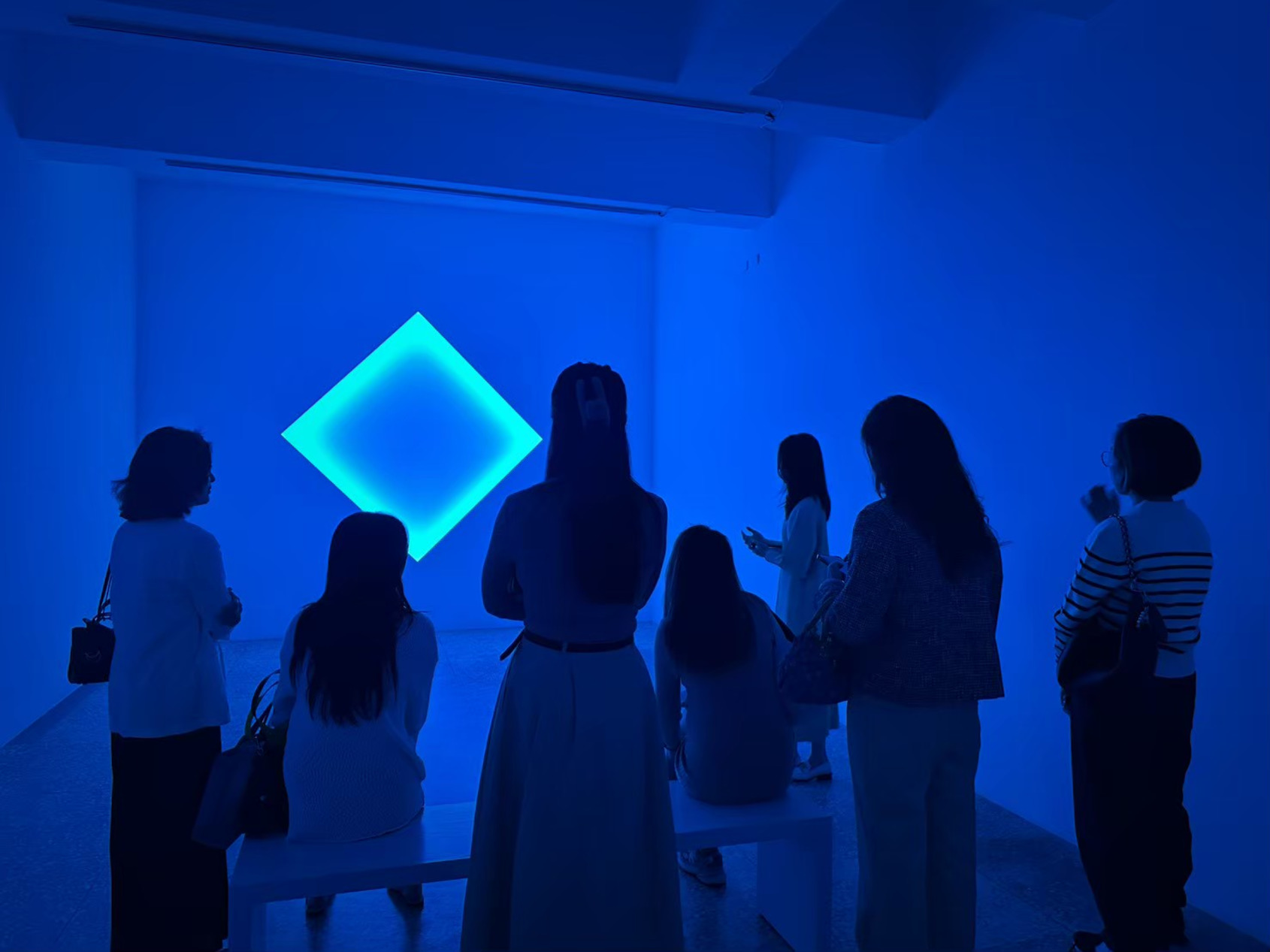
Corinth Canal|Installation View|ALIEN Art Centre, 1F|© ALIEN MODE
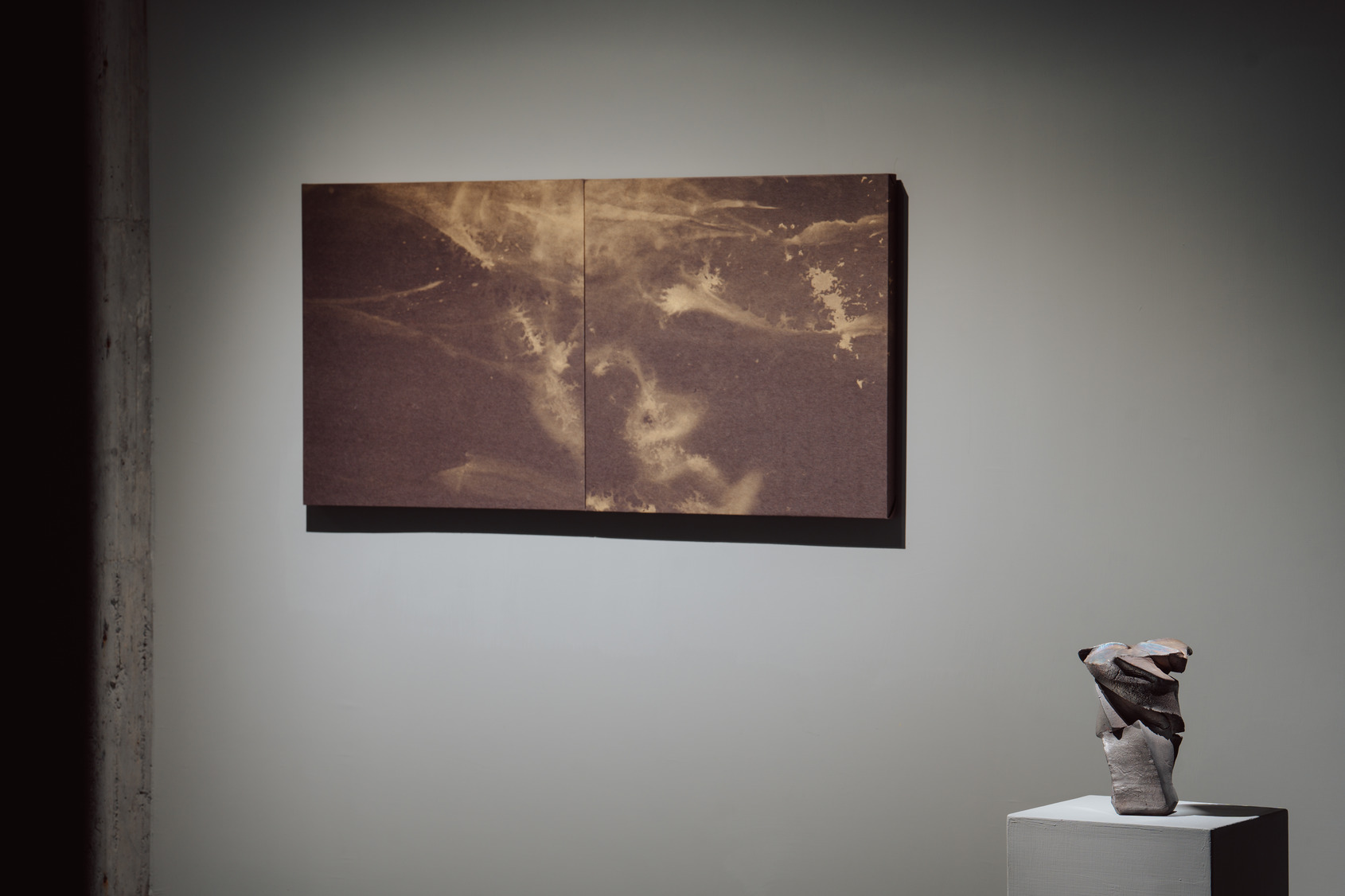
Dust and Gold|Installation View|ALIEN Art Centre, 1F|© ALIEN Art Centre
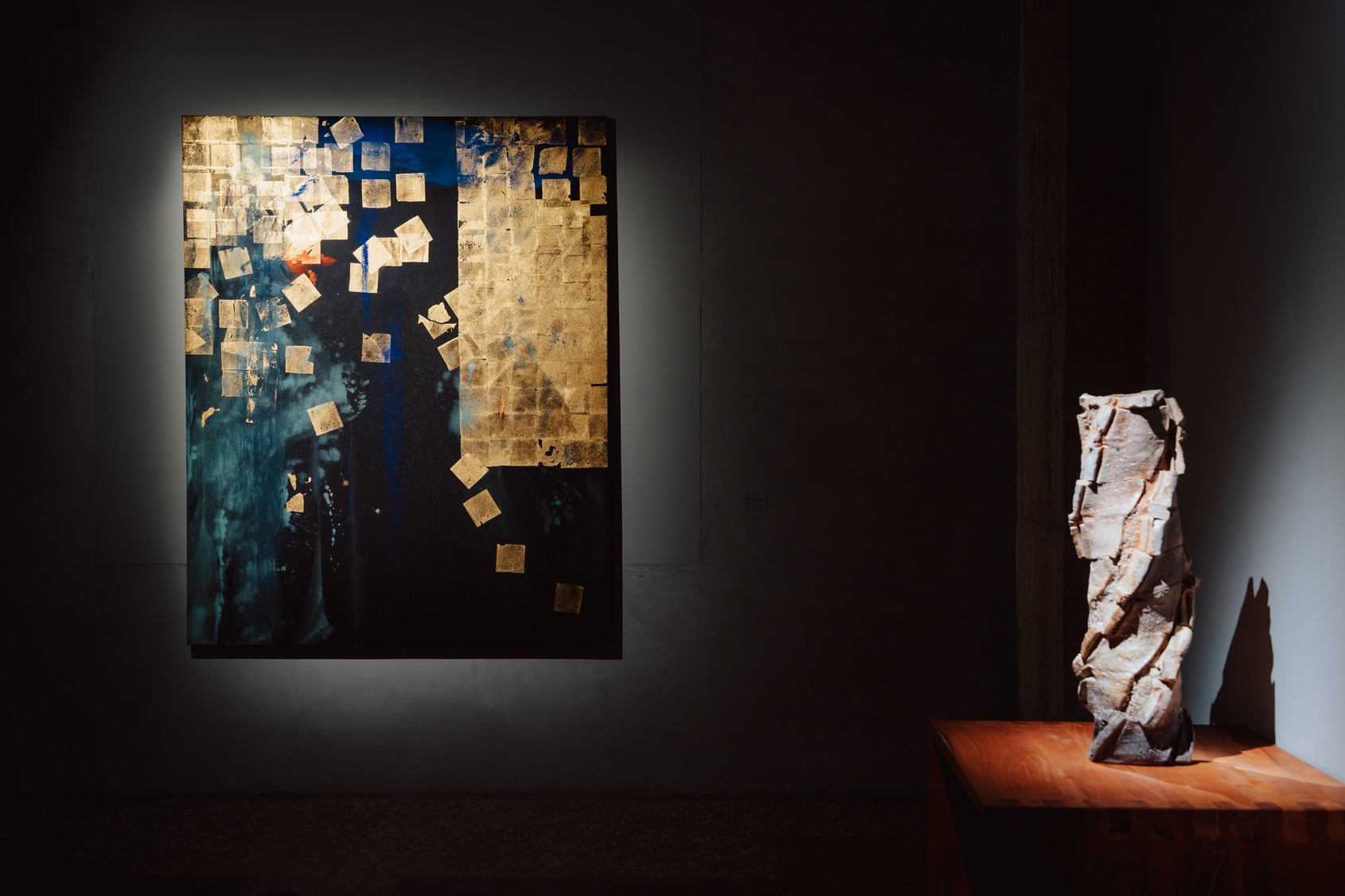
Dust and Gold|Installation View|ALIEN Art Centre, 1F|© ALIEN Art Centre
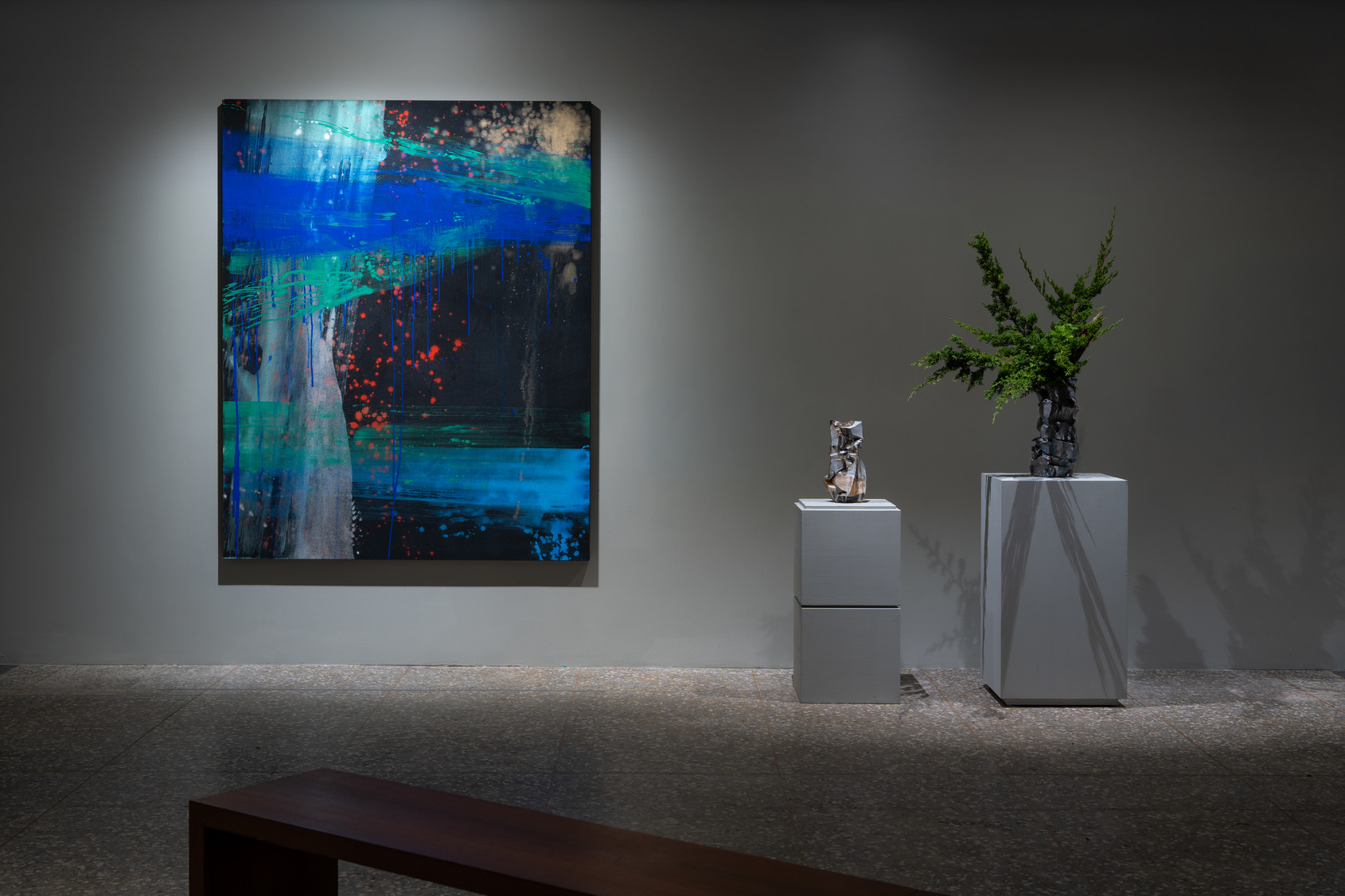
Dust and Gold|Installation View|ALIEN Art Centre, 1F|© ALIEN Art Centre
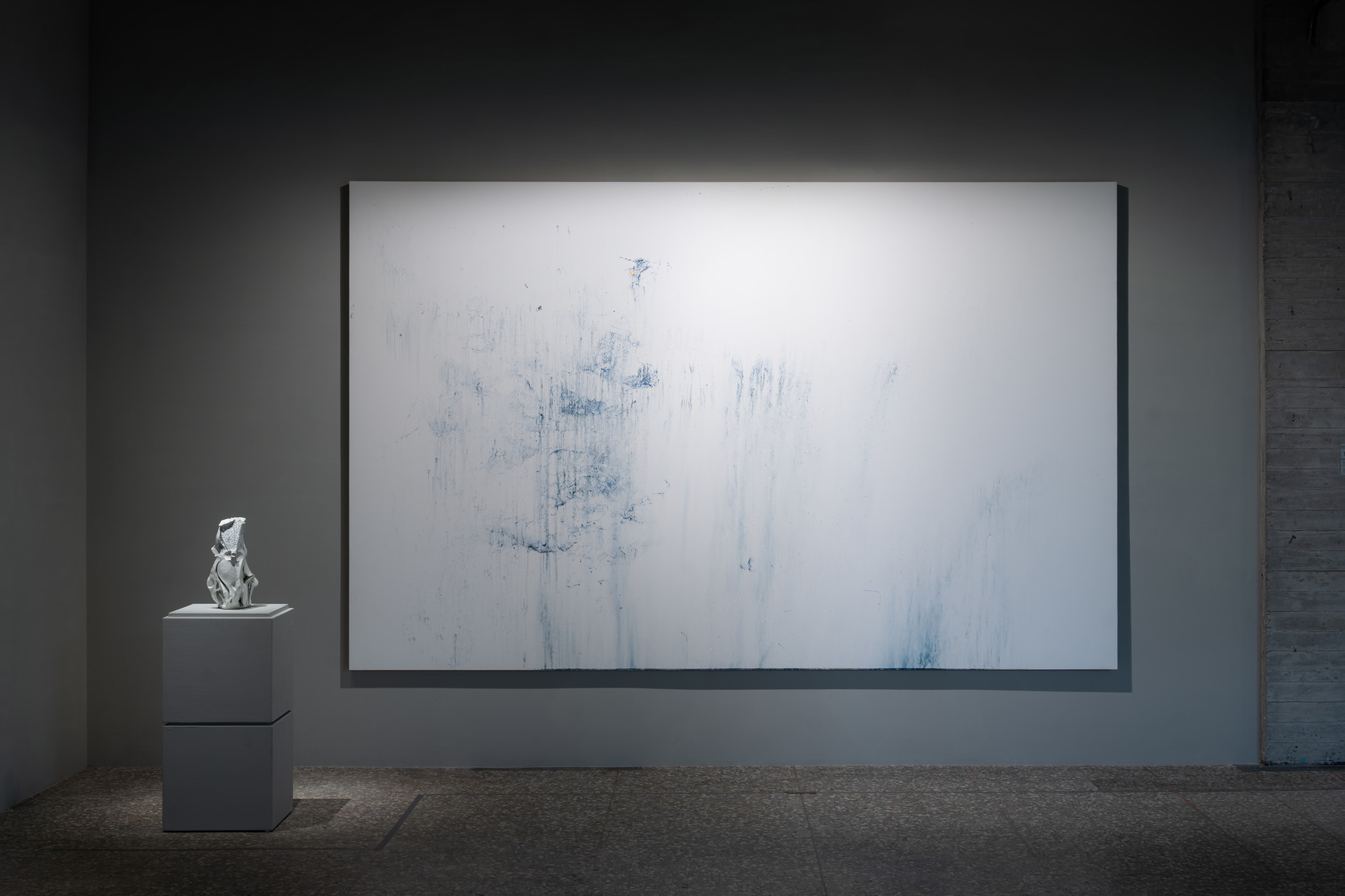
Dust and Gold|Installation View|ALIEN Art Centre, 1F|© ALIEN Art Centre
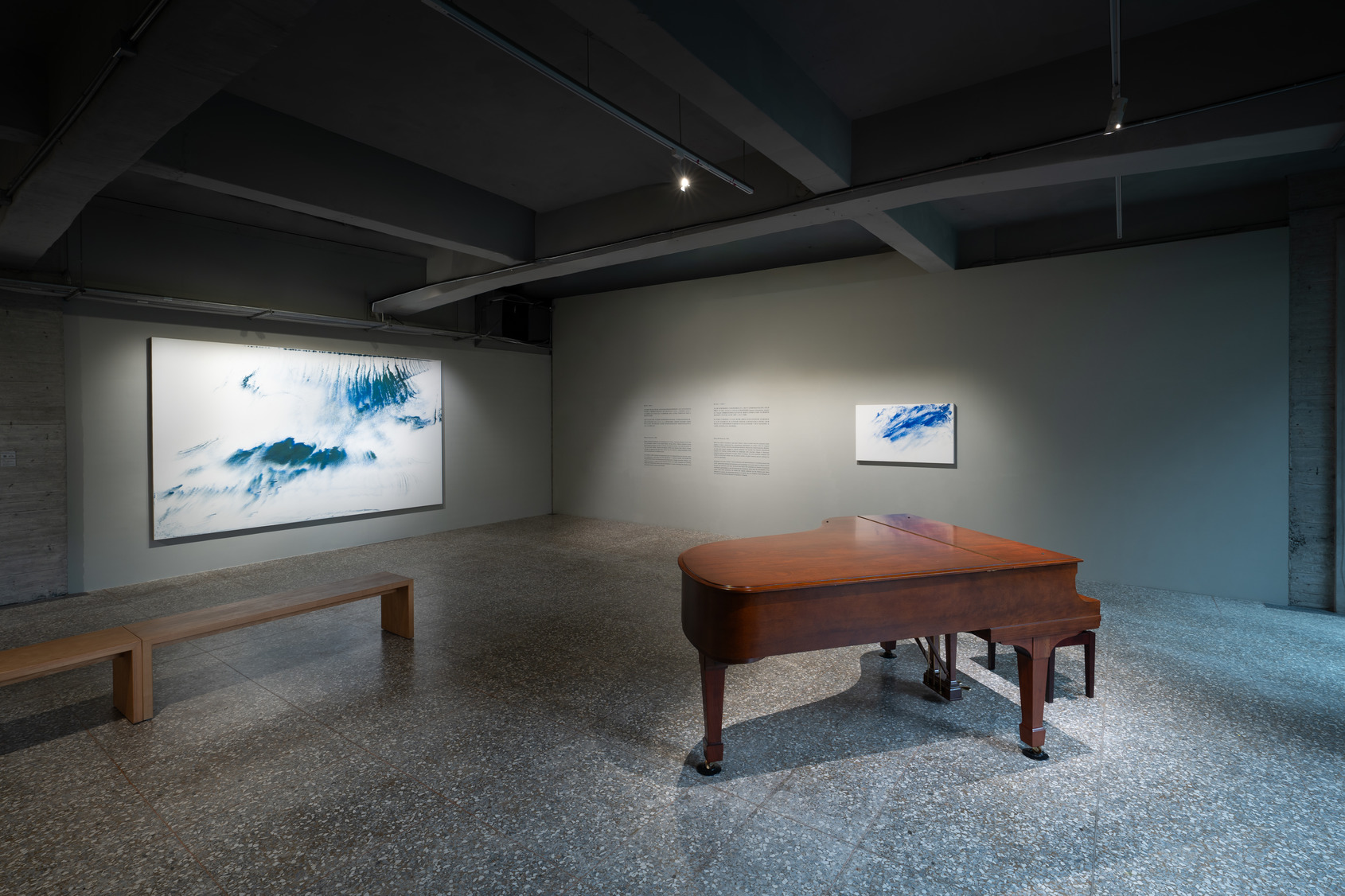
Dust and Gold|Installation View|ALIEN Art Centre, 1F|© ALIEN Art Centre