
Abstract
ALIEN Art Centre is situated at the foothills of Shoushan in Kaohsiung. Its predecessor, the Kin-Ma Military Hostel, was completed in 1967 and served as a transit station for military personnel en route to postings on the frontline islands of Kinmen and Matsu. As times changed, the site ceased its original function in 1998 and subsequently served various purposes before eventually falling into disuse.
In 2016, ALIEN Art initiated a restoration and revitalization project, transforming the historic building through adaptive reuse into a contemporary art institution while preserving its architectural character and historical memory. Following two years of restoration, the building officially reopened to the public in 2018 as ALIEN Art Centre.
The revitalization preserved the building’s original architectural volume, material textures, and spatial memory while responding to the needs of contemporary curatorial practice and modes of viewing. In this way, the historic architecture serves not merely as a container for art, but as an integral part of the exhibition experience. As visitors move, observe, and pause within the space, memories of the past intersect with contemporary artistic creation.
Today, ALIEN Art Centre is conceived as a long-term cultural initiative, advancing curatorial practice, artist collaborations, research-based exhibitions, interdisciplinary projects, and public programs. With a particular focus on the relationships between art, architecture, the natural environment, and everyday life, the Centre seeks to deepen its connections with local cultural networks while serving as a platform for cultural exchange between the city and the international community.
Background
Following the 1958 Second Taiwan Strait Crisis, Kaohsiung began planning the construction of the Kin-Ma Military Hostel to accommodate and transport military personnel assigned to frontline duty on Kinmen, Matsu, and other offshore islands. As the site had originally been a fishpond, land preparation took several years. It was not until 1967 that the Kin-Ma Military Hostels in Kaohsiung and Keelung were completed. The name “Kin-Ma” derives from Kinmen and Matsu, the two frontline island groups, reflecting Taiwan’s distinctive geopolitical position on the front line of the Cold War.
At the time, military personnel assigned to serve on the offshore islands travelled from across Taiwan to Kaohsiung, where they reported to and temporarily stayed at the Kin-Ma Military Hostel while awaiting suitable weather conditions and transport. From there, they boarded military vessels bound for the frontline. For many, the hostel was both the final stop before leaving Taiwan proper to face an uncertain journey and, upon completing their service, a place of safe return and reunion with family and loved ones.
Between 1967 and 1998, the Kin-Ma Military Hostel witnessed the departures and homecomings of countless servicemen, becoming a repository of collective memory particular to Taiwan’s Cold War era. Following the later demolition of the Kin-Ma Military Hostel in Keelung, the Kaohsiung site became one of the few remaining architectural witnesses to this chapter of history.
In 1998, the Kaohsiung Kin-Ma Military Hostel ceased its original function and was subsequently repurposed as office space related to the Kaohsiung Railway Underground Project. After the relevant offices relocated in 2012, the building once again fell into disuse. In 2016, following a public tender by the Urban Development Bureau of Kaohsiung City Government, ALIEN Art undertook the restoration and subsequent operation of the site. After two years of renovation and revitalization, the historic building reopened to the public at the end of 2018 as a contemporary art museum.
Renovation
In 2016, ALIEN Art undertook the restoration and revitalization of the Kin-Ma Military Hostel, with the guiding principle of preserving the spirit of the building’s historical era while giving it a renewed cultural and public life.
Throughout the restoration, every effort was made to preserve the original architectural structure and material language. Craftsmen experienced in traditional techniques were invited to restore existing textures using methods such as pebble-dash and terrazzo finishes. At the same time, the building’s formerly enclosed spatial configuration was reimagined: the original U-shaped corridor was extended into a continuous circulation loop, reconnecting the movement of visitors with the architecture and the surrounding landscape of Shoushan.
The overall transformation approached the existing architecture through a series of gestures—subtraction, addition, opening, and enclosure—bringing natural light, air, and the changing scenery of the seasons into the building. In doing so, the site evolved beyond a preserved historical structure into a living environment capable of continually accommodating contemporary art and public life.
Following its restoration, the Kin-Ma Military Hostel retains the understated and contemplative character of its original architecture while opening itself anew to the forested landscape of Shoushan. As visitors move through the building, light and shadow, architecture, art, and nature intersect, making the act of seeing itself an integral part of the spatial experience.
Significance
Built in 1967, the Kin-Ma Military Hostel embodies the distinctive character of Taiwan’s postwar architecture, shaped by the convergence of different cultural and historical influences. Its architectural language reflects the postwar modernist pursuit of simplicity and functionality, while also retaining influences from the classical eclecticism of the Japanese colonial period and reinterpretations of traditional Chinese architectural elements.
The building is defined by a clear order of horizontal and vertical lines. Large openings respond to Kaohsiung’s subtropical climate by introducing natural light and ventilation, while linear compositions, staircases, and corridors create layered relationships between solid and void. Interlocking geometric volumes lend visual richness to an otherwise restrained structure, expressing a rational order closely associated with modernist architecture.
During the restoration, ALIEN Art carefully reinstated the building’s original material textures, including pebble-dash and terrazzo finishes. The corridors were repaired using traditional rectangular ceramic tiles, while the existing decorative tile fences were also restored. New interventions and repaired areas were intentionally left with exposed concrete finishes in places, allowing traces from different periods of the building’s history to remain visible.
The Kin-Ma Military Hostel as it stands today is therefore not a reconstruction of the building at a single, fixed moment in history. Rather, it allows traces of the original structure, restoration, and contemporary interventions to coexist. In this way, the architecture itself becomes a vessel of time, continuing to record the city’s transformation from its Cold War history toward a contemporary cultural life.
Architecture Elements
● Point
Circles and Openings:
Circular and square openings can be found throughout the architecture—in decorative window screens, fences, and lighting apertures.
▌ Line
Rhythm and Structural Order:
Beams and columns, sun-shading fins, rhythmic rows of vertical posts, and mortise-and-tenon timber handrails create a sense of order and linear rhythm.
▓ Plane
Surfaces and Spatial Layers:
Terrazzo flooring, pebble-dash exterior walls, specially proportioned rectangular tiles, and custom-designed window openings define the building’s material character. The original U-shaped corridor was transformed into a continuous enclosed loop, while large floor-to-ceiling openings corresponding to the original doorways allow natural light to flow deep into the interior.
ALIEN Art Centre | Architectural View | 2018 | © ALIEN Art Centre
ALIEN Art Centre | Architectural View | 2018 | © ALIEN Art Centre
ALIEN Art Centre | Architectural View | 2018 | © ALIEN Art Centre
© photo courtesy of The History Museum of Kaohsiung Kinma Military Hostel, a military monument during 1967-1998.
© photo courtesy of The History Museum of Kaohsiung Those soldiers who drew assignments on Kinmen and Penghu arrived by bus from points all over Taiwan at the Kaohsiung Kin-Ma Military Hostel, where they waited for clear weather, hearts filled with anxiety.
© photo courtesy of The History Museum of Kaohsiung The Kin-Ma Military Hostel were way stations for troops headed off to military duty, as well as the site of joyous reunions with family after successful completion of military service.
© photo courtesy of The History Museum of Kaohsiung Between 1967 and 1998, the Kin-Ma Military Hostel were where military servicemen prepared physically and mentally before heading off, during a time in which the military played a vital role in reassuring the hearts and minds of the people.
© photo courtesy of The History Museum of Kaohsiung The year after the August 23 artillery battle (1959), the Kaohsiung city government began working on plans to build the Kin-Ma Military Hostel as a rest stop for military personnel on their way to the front lines. As the land was originally a fish pond, it would take some time to prepare the soil, a wait that ended up taking a decade. When the wait was finally over, two Kin-Ma Military Hostel, in Kaohsiung and Keelung, were completed in 1967.
ALIEN Art Centre | Architectural Archives | 1998–2012 | Railway Underground Project Command Center, Taiwan Railway Reconstruction Bureau, Ministry of Transportation and Communications | © ALIEN Art Centre
ALIEN Art Centre | Architectural View | Post-Restoration | 2018 | Restored by ALIEN Arts Co., Ltd. and reopened to the public as a contemporary art museum | © ALIEN Art Centre
ALIEN Art Centre | Architectural Archives | 1967–2016 | Pre-Restoration View (formerly the Kinma Military Hostel / Command Center for the Railway Underground Project, Taiwan Railway Reconstruction Bureau, MOTC) | © ALIEN Art Centre
ALIEN Art Centre | Architectural View | Post-Restoration | 2018 | Restored by ALIEN Arts Co., Ltd. and reopened to the public as a contemporary art museum | © ALIEN Art Centre
ALIEN Art Centre | Architectural Archives | 1967–2016 | Pre-Restoration View (formerly the Kinma Military Hostel / Command Center for the Railway Underground Project, Taiwan Railway Reconstruction Bureau, MOTC) | © ALIEN Art Centre
ALIEN Art Centre | Architectural View | Post-Restoration | 2018 | Restored by ALIEN Arts Co., Ltd. and reopened to the public as a contemporary art museum | © ALIEN Art Centre
ALIEN Art Centre | Architectural Archives | 1967–2016 | Pre-Restoration View (formerly the Kinma Military Hostel / Command Center for the Railway Underground Project, Taiwan Railway Reconstruction Bureau, MOTC) | © ALIEN Art Centre
ALIEN Art Centre | Architectural View | Post-Restoration | 2018 | Restored by ALIEN Arts Co., Ltd. and reopened to the public as a contemporary art museum | © ALIEN Art Centre
ALIEN Art Centre | Architectural Archives | 1967–2016 | Pre-Restoration View (formerly the Kinma Military Hostel / Command Center for the Railway Underground Project, Taiwan Railway Reconstruction Bureau, MOTC) | © ALIEN Art Centre
ALIEN Art Centre | Architectural View | Post-Restoration | 2018 | Restored by ALIEN Arts Co., Ltd. and reopened to the public as a contemporary art museum | © ALIEN Art Centre
ALIEN Art Centre | Architectural Archives | 1967–2016 | Pre-Restoration View (formerly the Kinma Military Hostel / Command Center for the Railway Underground Project, Taiwan Railway Reconstruction Bureau, MOTC) | © ALIEN Art Centre
ALIEN Art Centre | Architectural View | Post-Restoration | 2018 | Restored by ALIEN Arts Co., Ltd. and reopened to the public as a contemporary art museum | © ALIEN Art Centre
ALIEN Art Centre | Architectural Archives | 1967–2016 | Pre-Restoration View (formerly the Kinma Military Hostel / Command Center for the Railway Underground Project, Taiwan Railway Reconstruction Bureau, MOTC) | © ALIEN Art Centre
ALIEN Art Centre | Architectural View | Post-Restoration | 2018 | Restored by ALIEN Arts Co., Ltd. and reopened to the public as a contemporary art museum | © ALIEN Art Centre
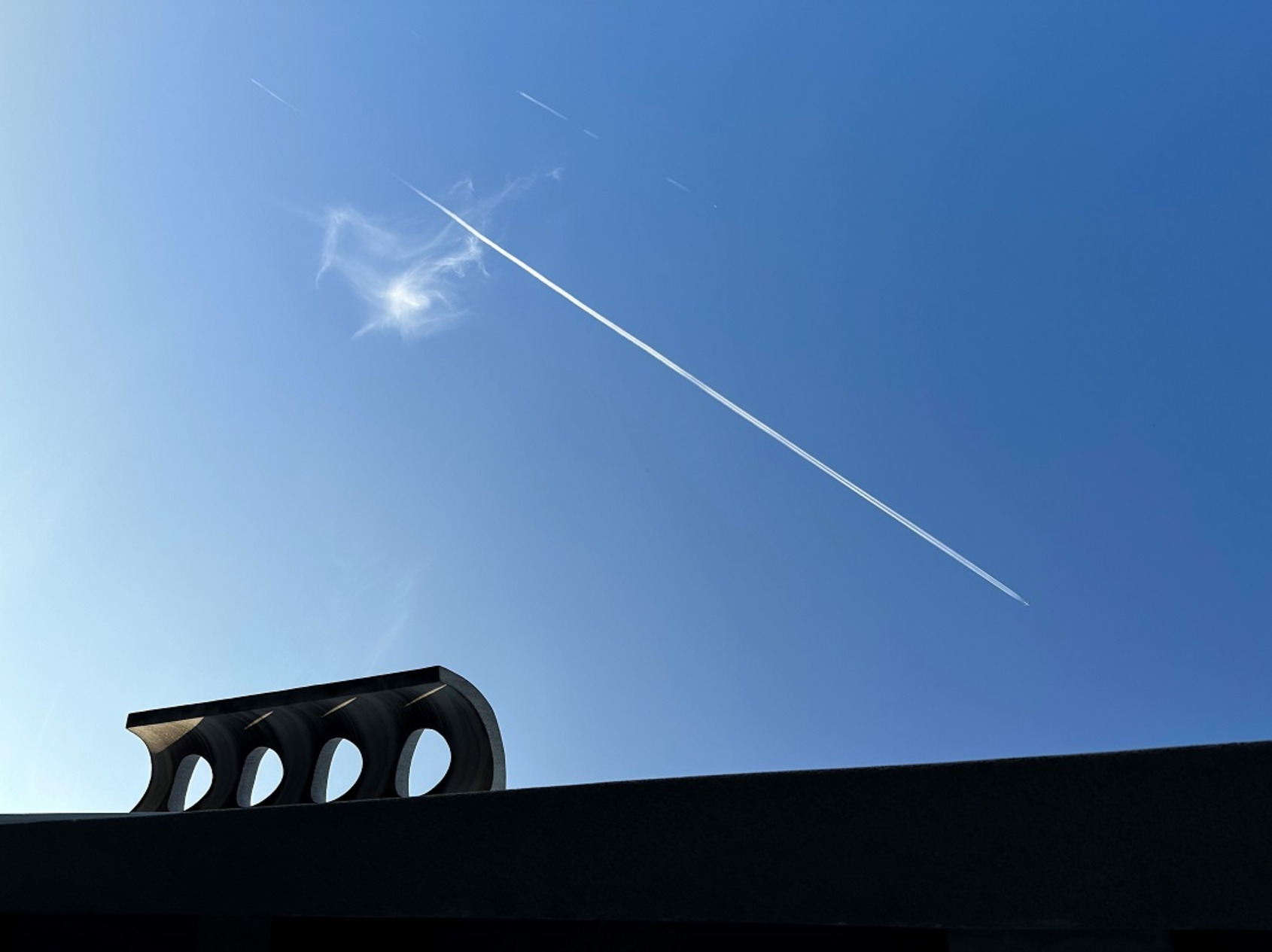
ALIEN Art Centre | Architectural View | 2018 | © ALIEN Art Centre
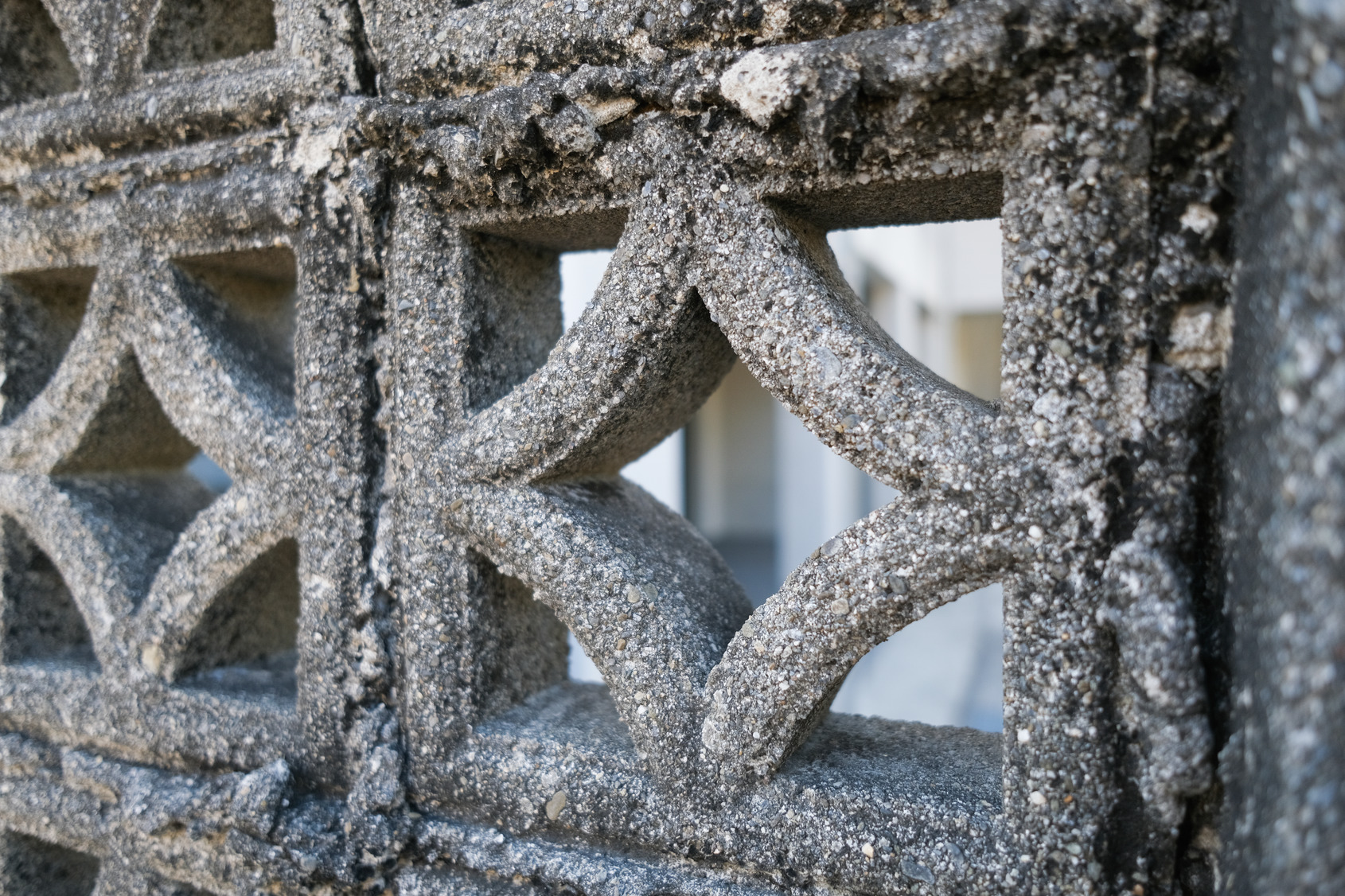
ALIEN Art Centre | Architectural View | 2018 | © ALIEN Art Centre
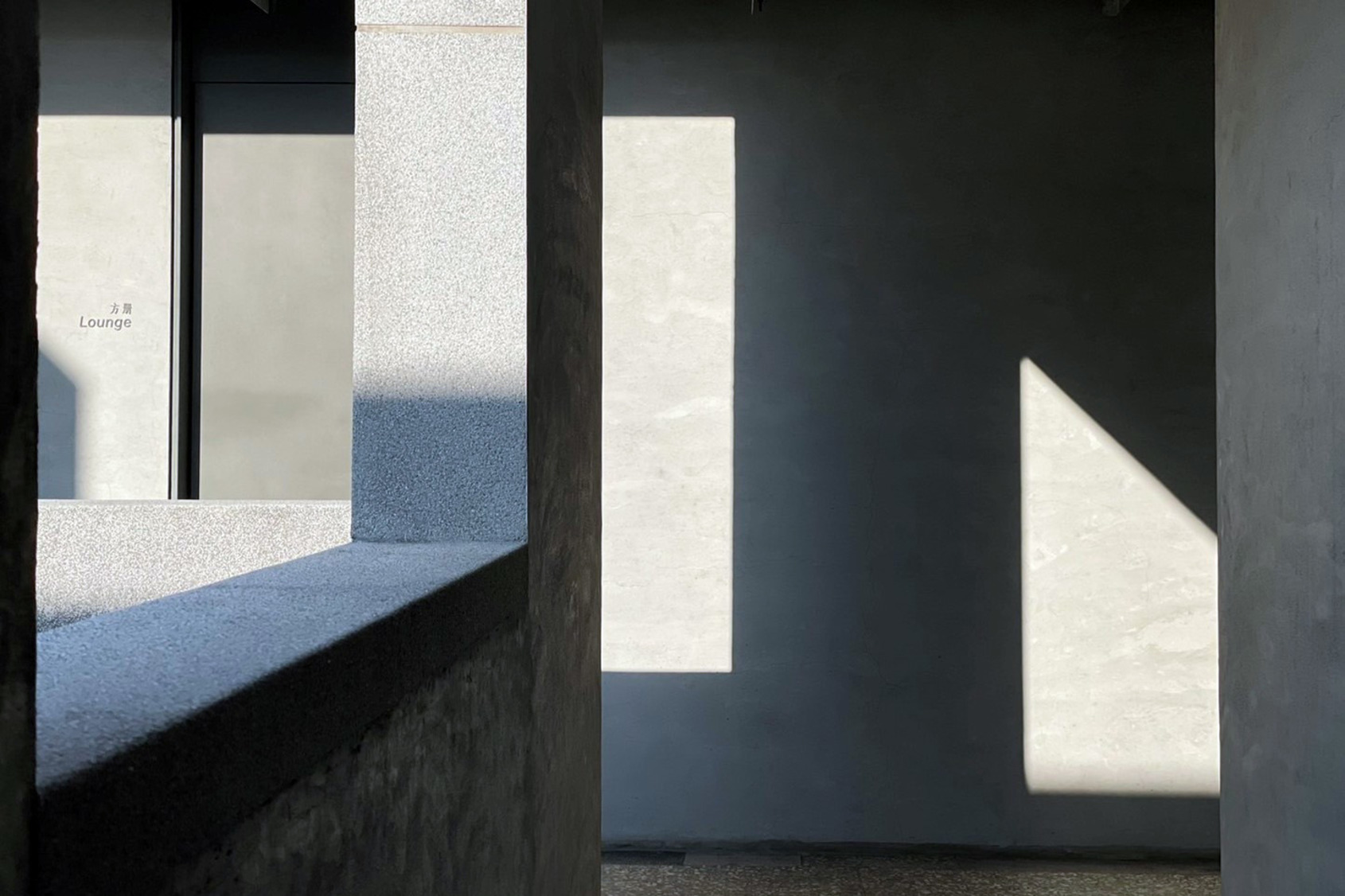
ALIEN Art Centre | Architectural View | 2018 | © ALIEN Art Centre
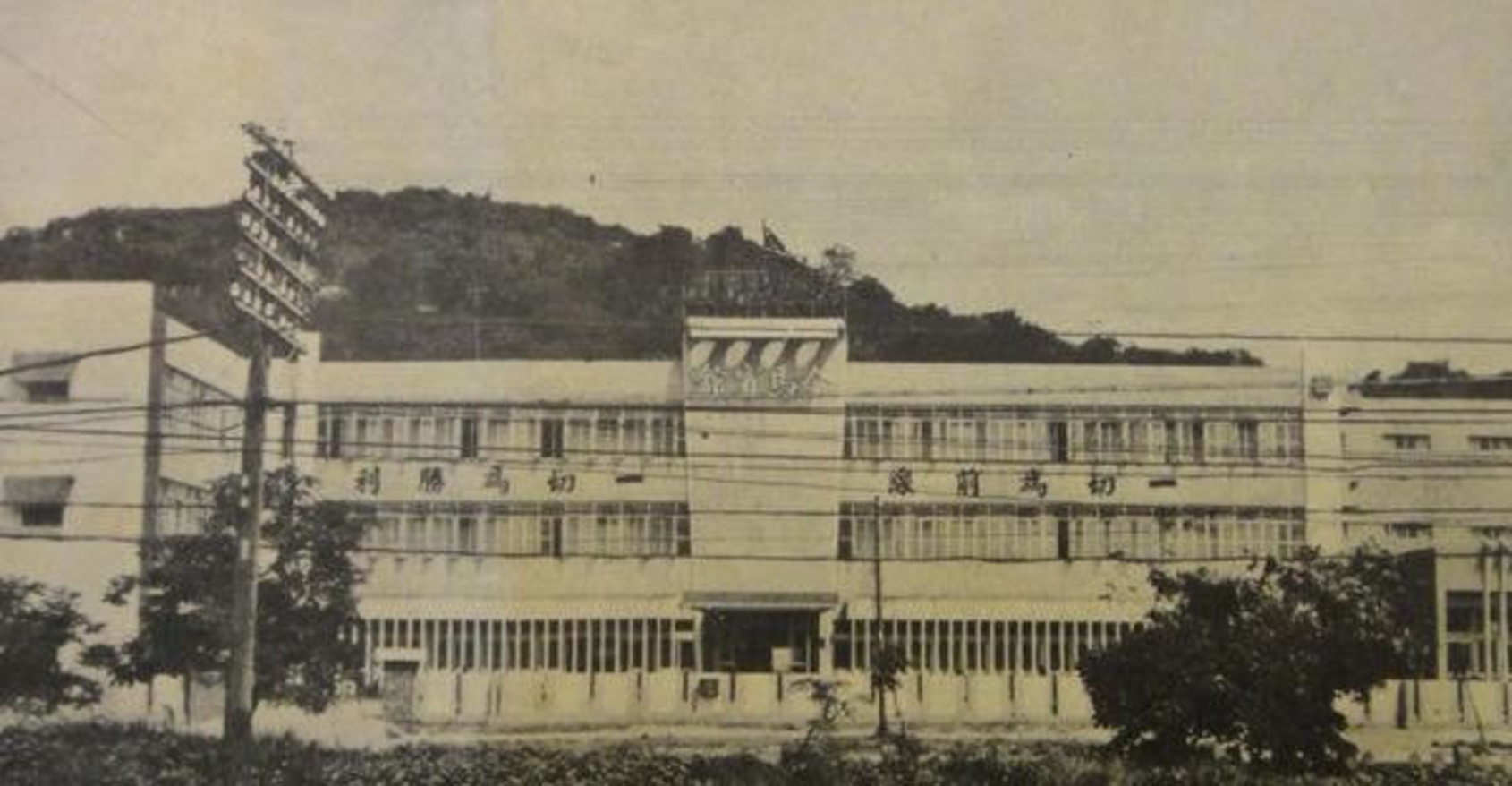
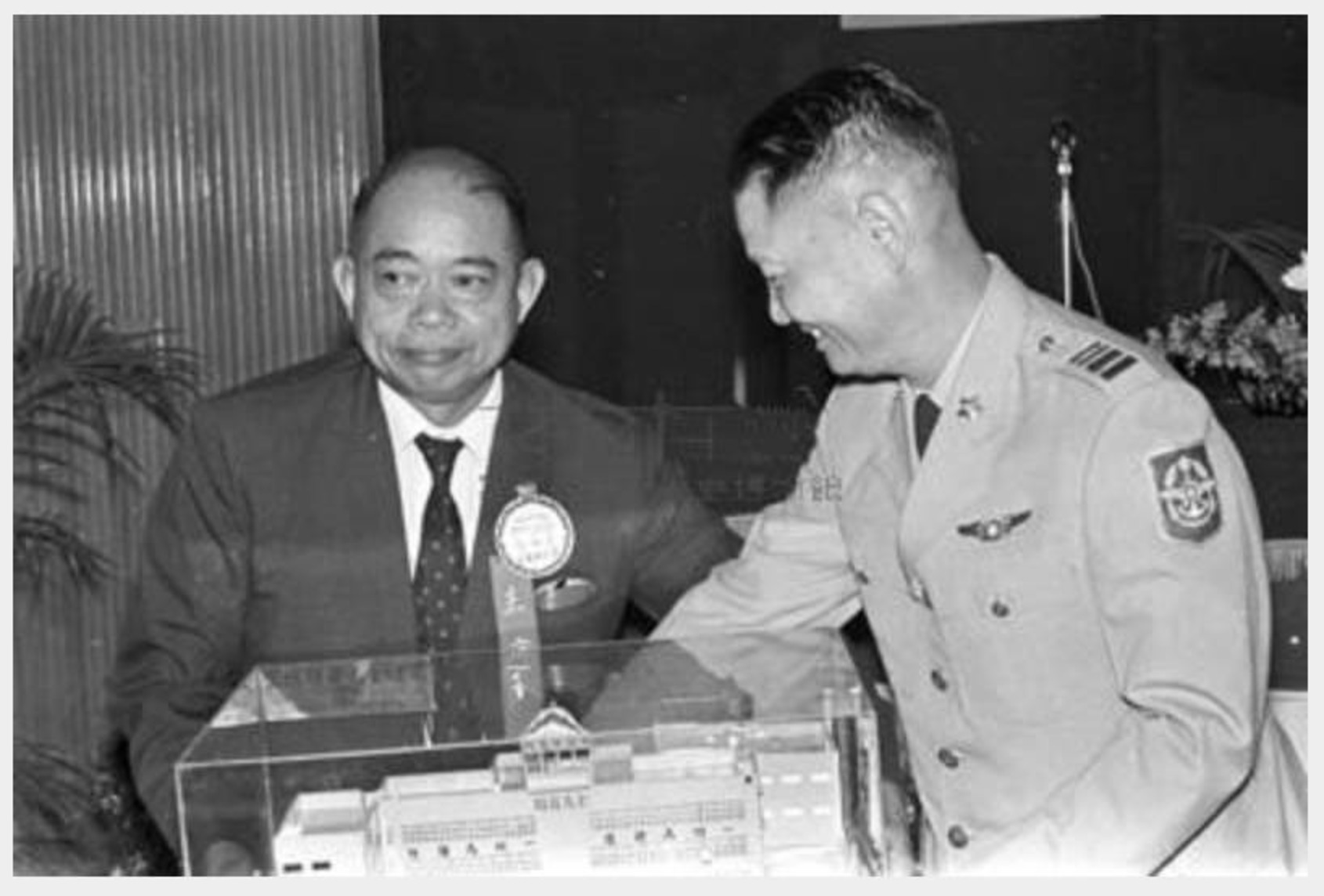
© photo courtesy of The History Museum of Kaohsiung Kinma Military Hostel, a military monument during 1967-1998.
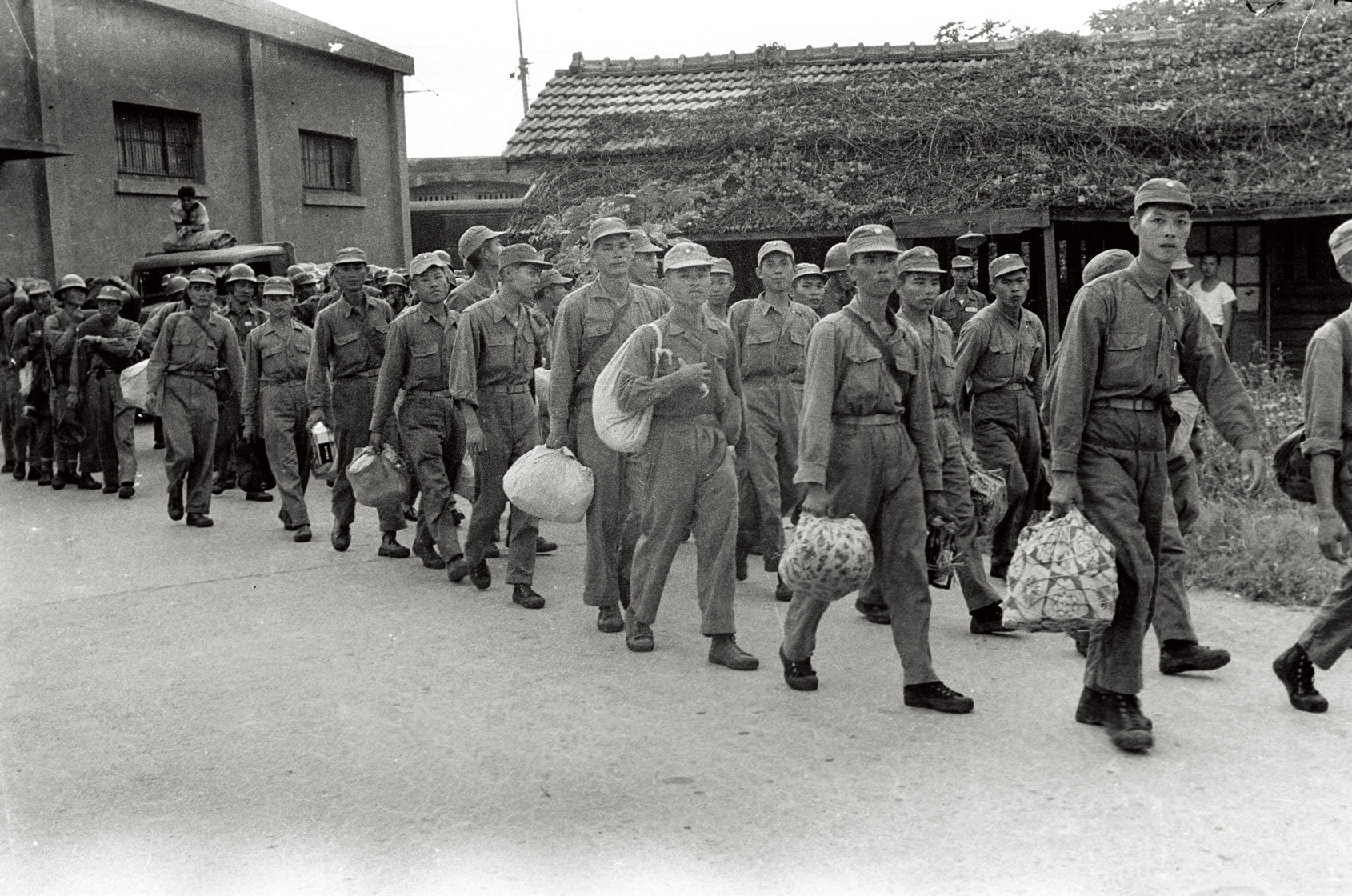
© photo courtesy of The History Museum of Kaohsiung Those soldiers who drew assignments on Kinmen and Penghu arrived by bus from points all over Taiwan at the Kaohsiung Kin-Ma Military Hostel, where they waited for clear weather, hearts filled with anxiety.
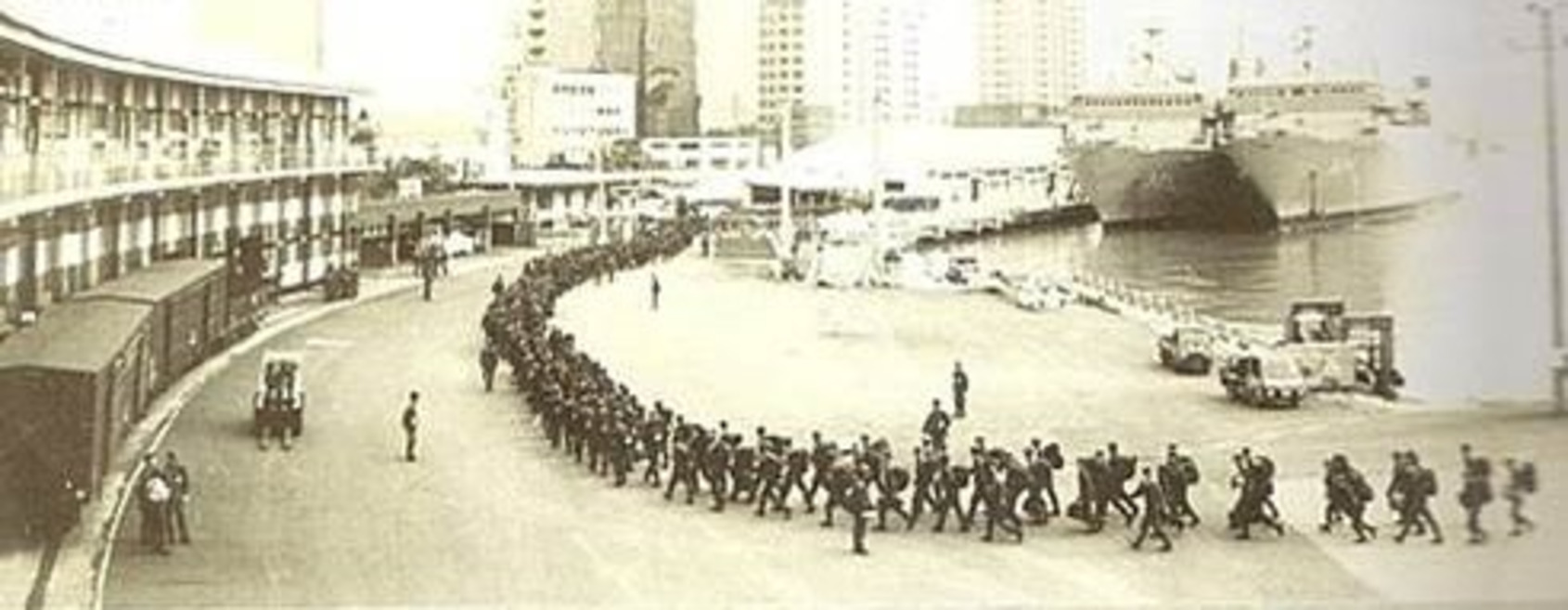
© photo courtesy of The History Museum of Kaohsiung The Kin-Ma Military Hostel were way stations for troops headed off to military duty, as well as the site of joyous reunions with family after successful completion of military service.
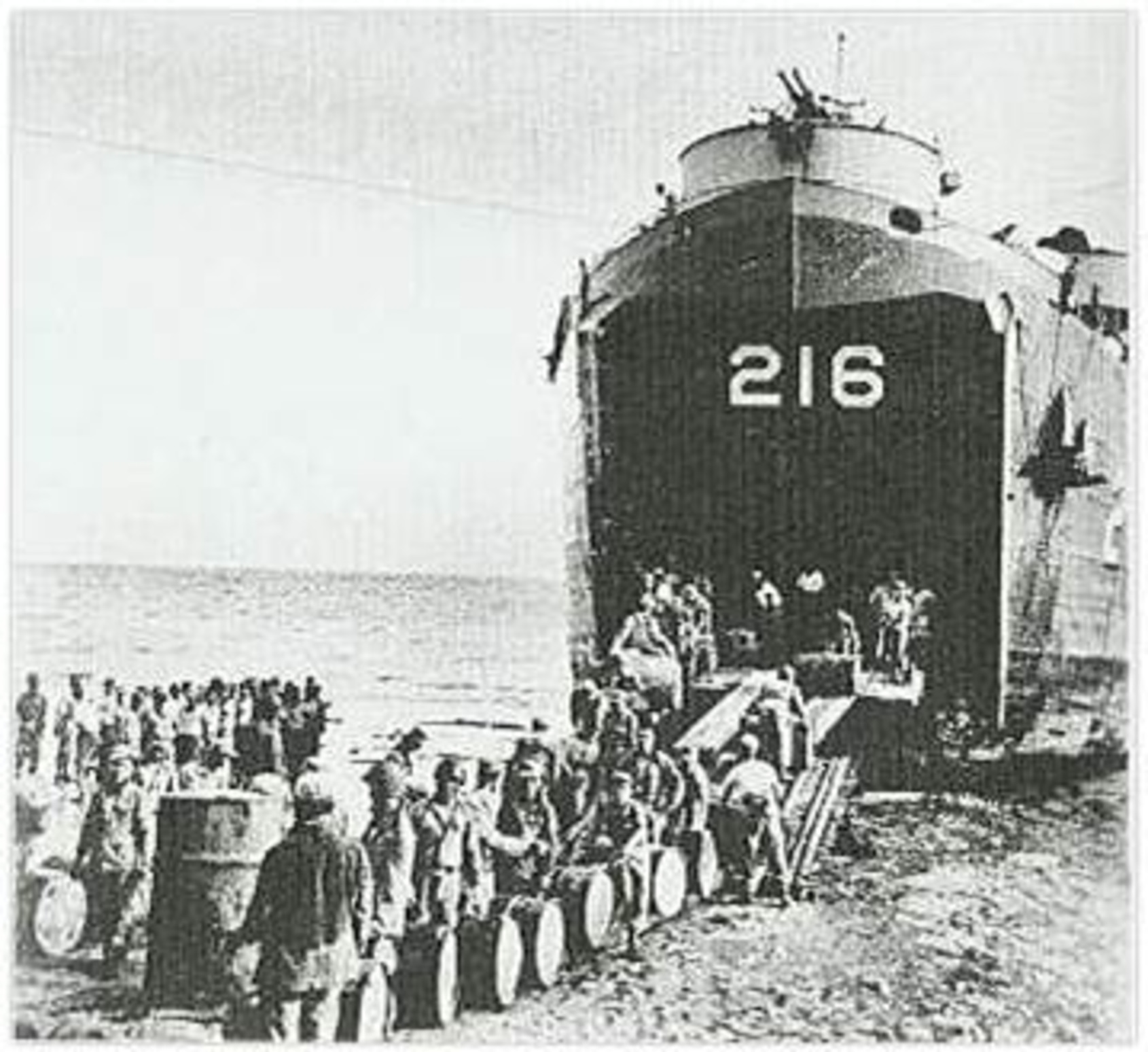
© photo courtesy of The History Museum of Kaohsiung Between 1967 and 1998, the Kin-Ma Military Hostel were where military servicemen prepared physically and mentally before heading off, during a time in which the military played a vital role in reassuring the hearts and minds of the people.
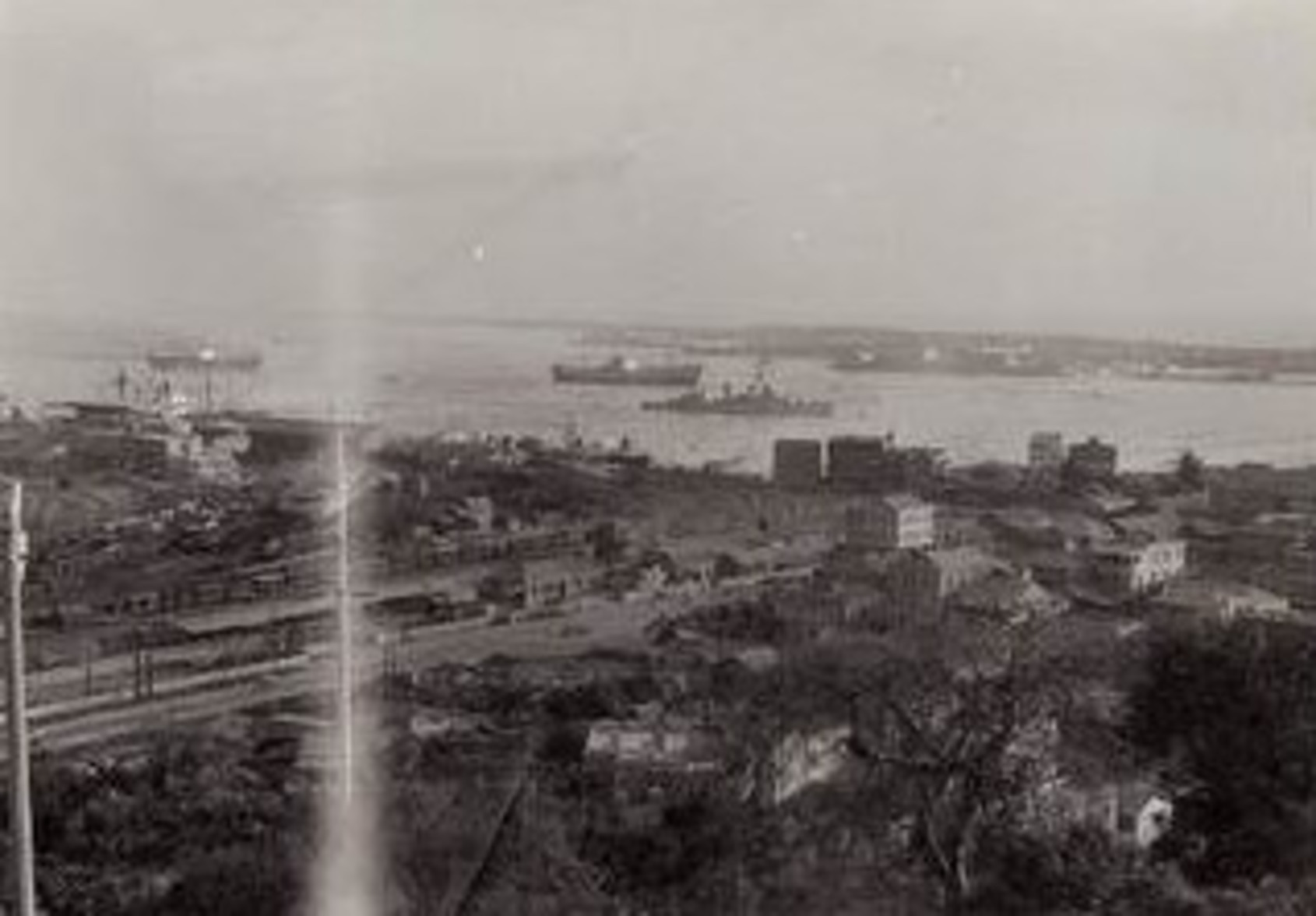
© photo courtesy of The History Museum of Kaohsiung The year after the August 23 artillery battle (1959), the Kaohsiung city government began working on plans to build the Kin-Ma Military Hostel as a rest stop for military personnel on their way to the front lines. As the land was originally a fish pond, it would take some time to prepare the soil, a wait that ended up taking a decade. When the wait was finally over, two Kin-Ma Military Hostel, in Kaohsiung and Keelung, were completed in 1967.
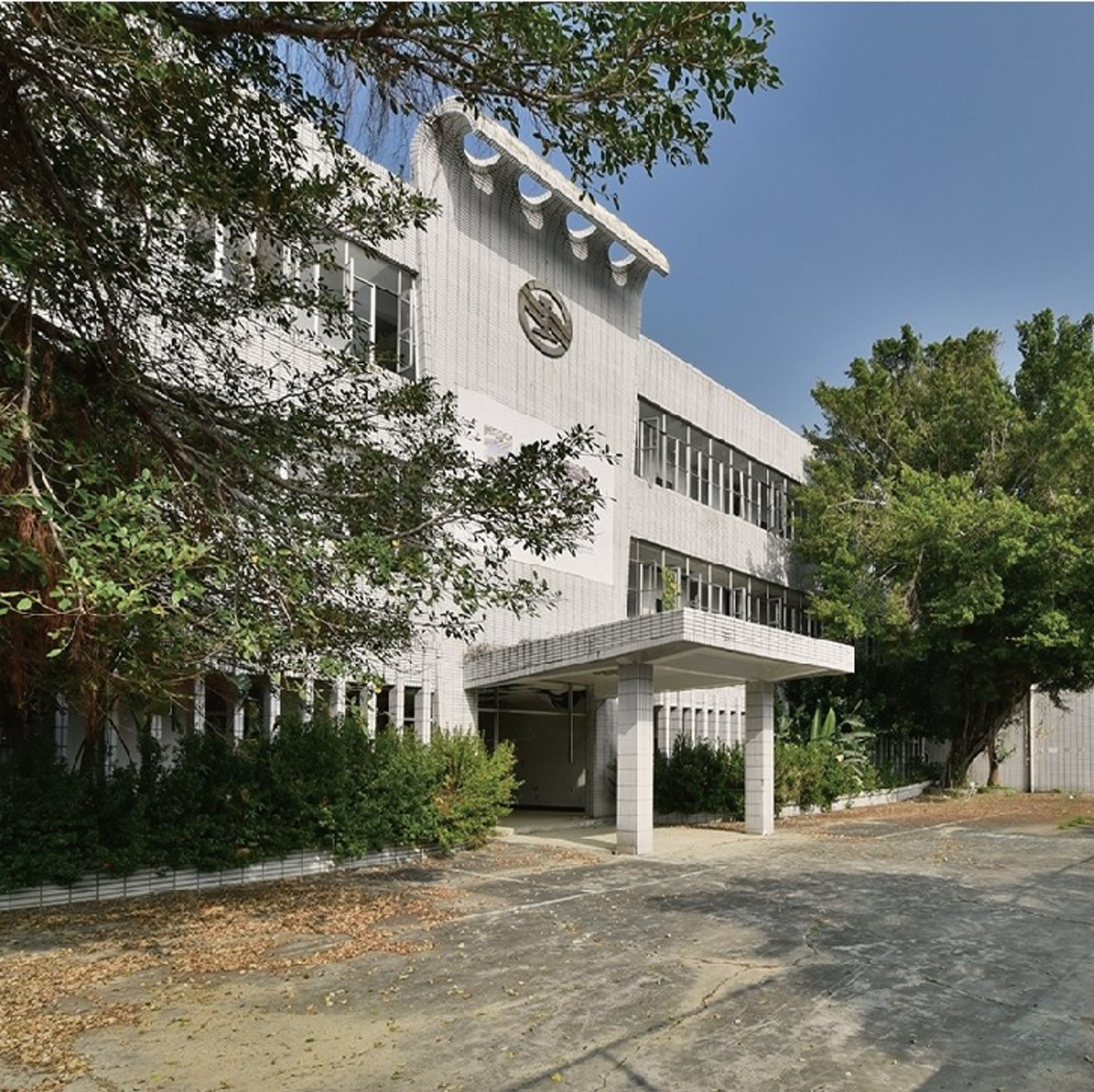
ALIEN Art Centre | Architectural Archives | 1998–2012 | Railway Underground Project Command Center, Taiwan Railway Reconstruction Bureau, Ministry of Transportation and Communications | © ALIEN Art Centre
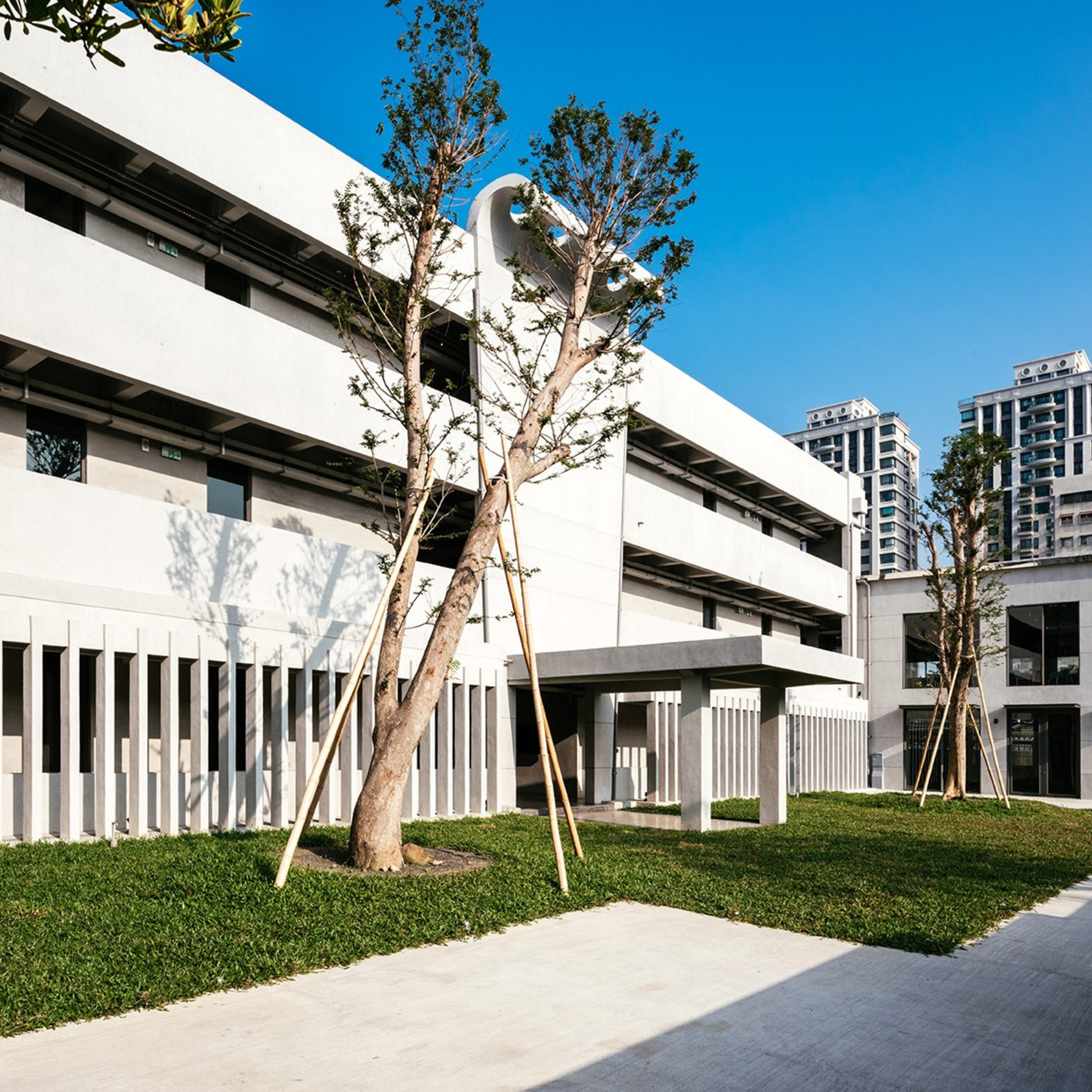
ALIEN Art Centre | Architectural View | Post-Restoration | 2018 | Restored by ALIEN Arts Co., Ltd. and reopened to the public as a contemporary art museum | © ALIEN Art Centre
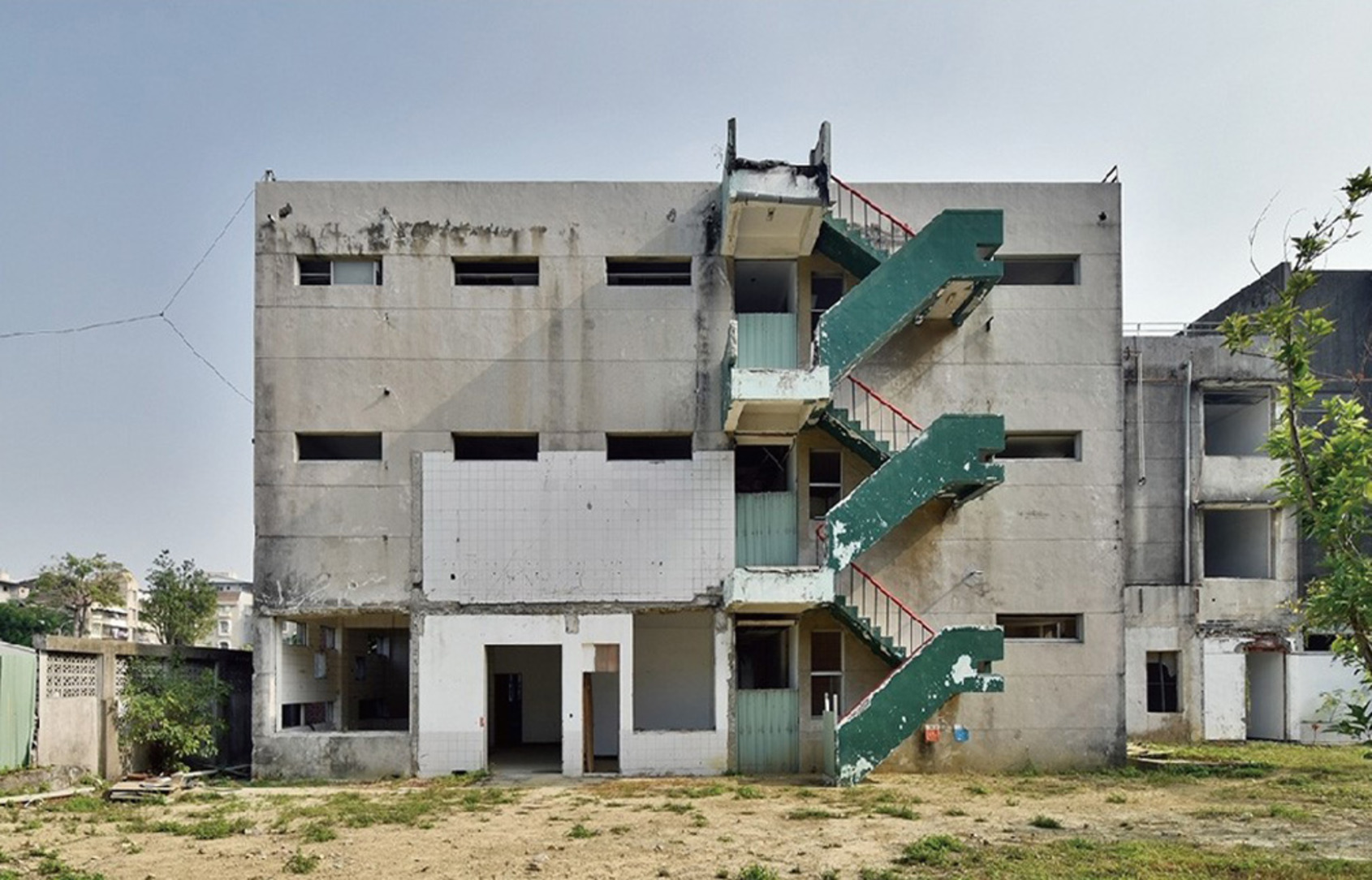
ALIEN Art Centre | Architectural Archives | 1967–2016 | Pre-Restoration View (formerly the Kinma Military Hostel / Command Center for the Railway Underground Project, Taiwan Railway Reconstruction Bureau, MOTC) | © ALIEN Art Centre
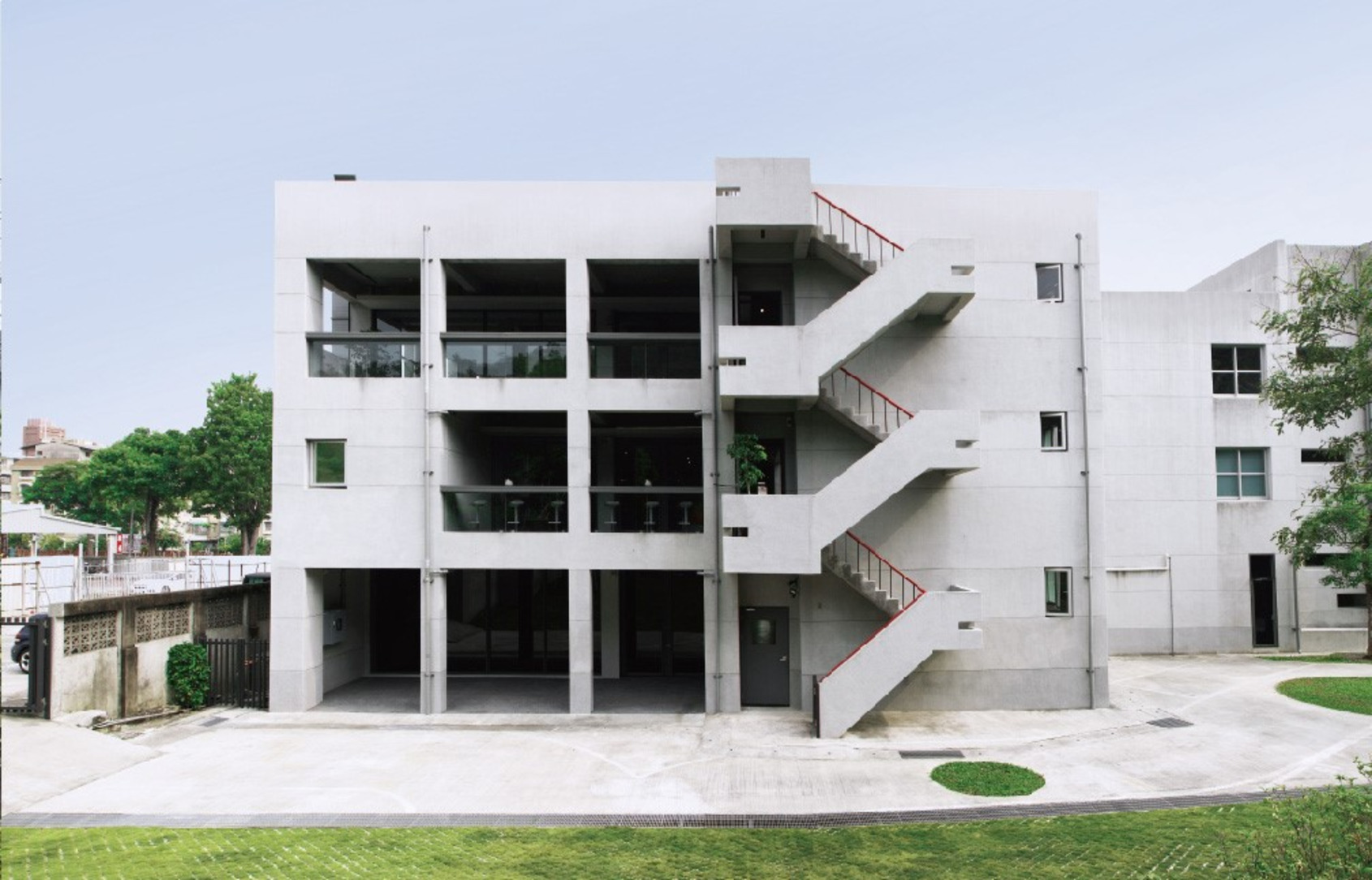
ALIEN Art Centre | Architectural View | Post-Restoration | 2018 | Restored by ALIEN Arts Co., Ltd. and reopened to the public as a contemporary art museum | © ALIEN Art Centre
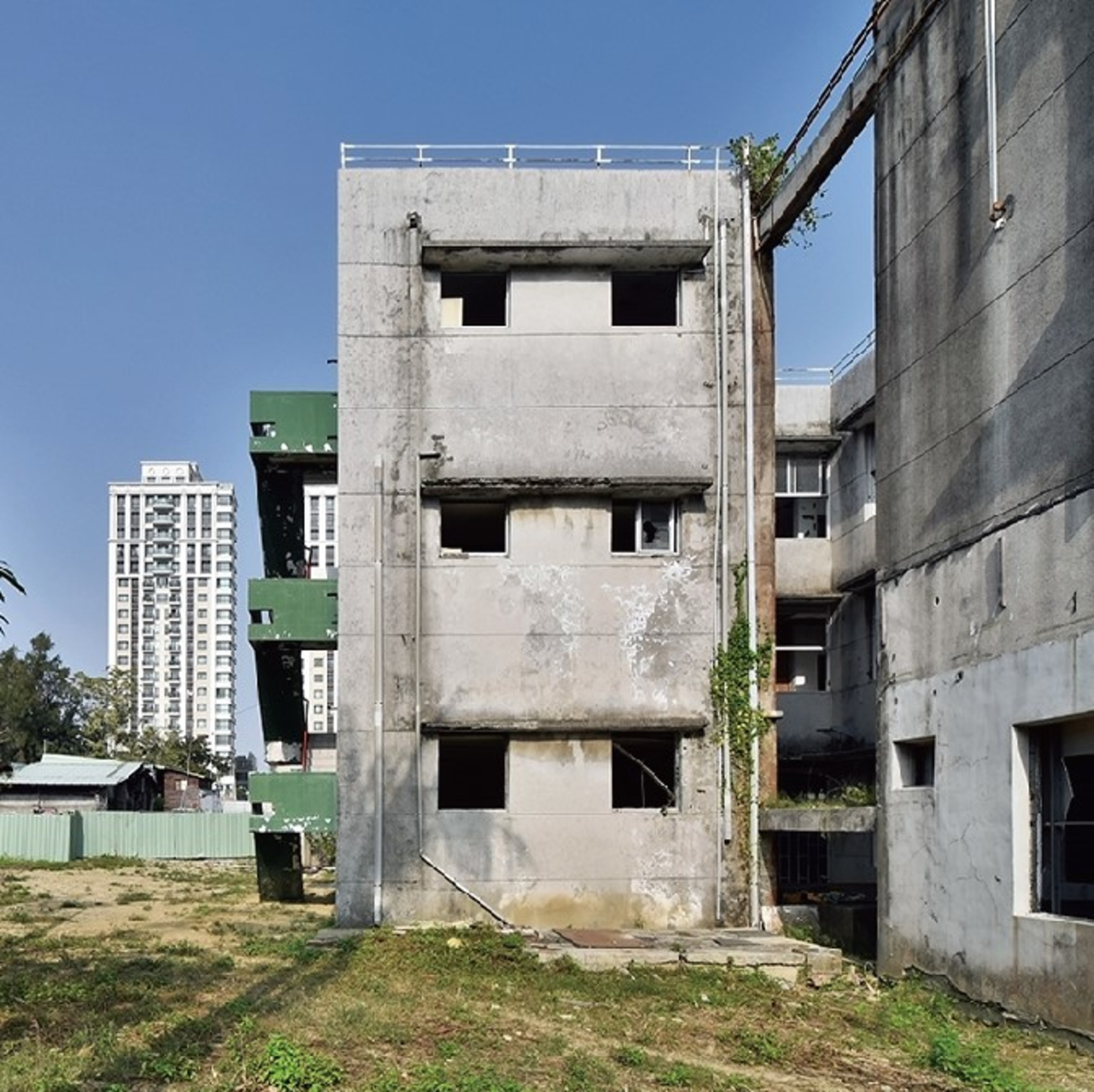
ALIEN Art Centre | Architectural Archives | 1967–2016 | Pre-Restoration View (formerly the Kinma Military Hostel / Command Center for the Railway Underground Project, Taiwan Railway Reconstruction Bureau, MOTC) | © ALIEN Art Centre
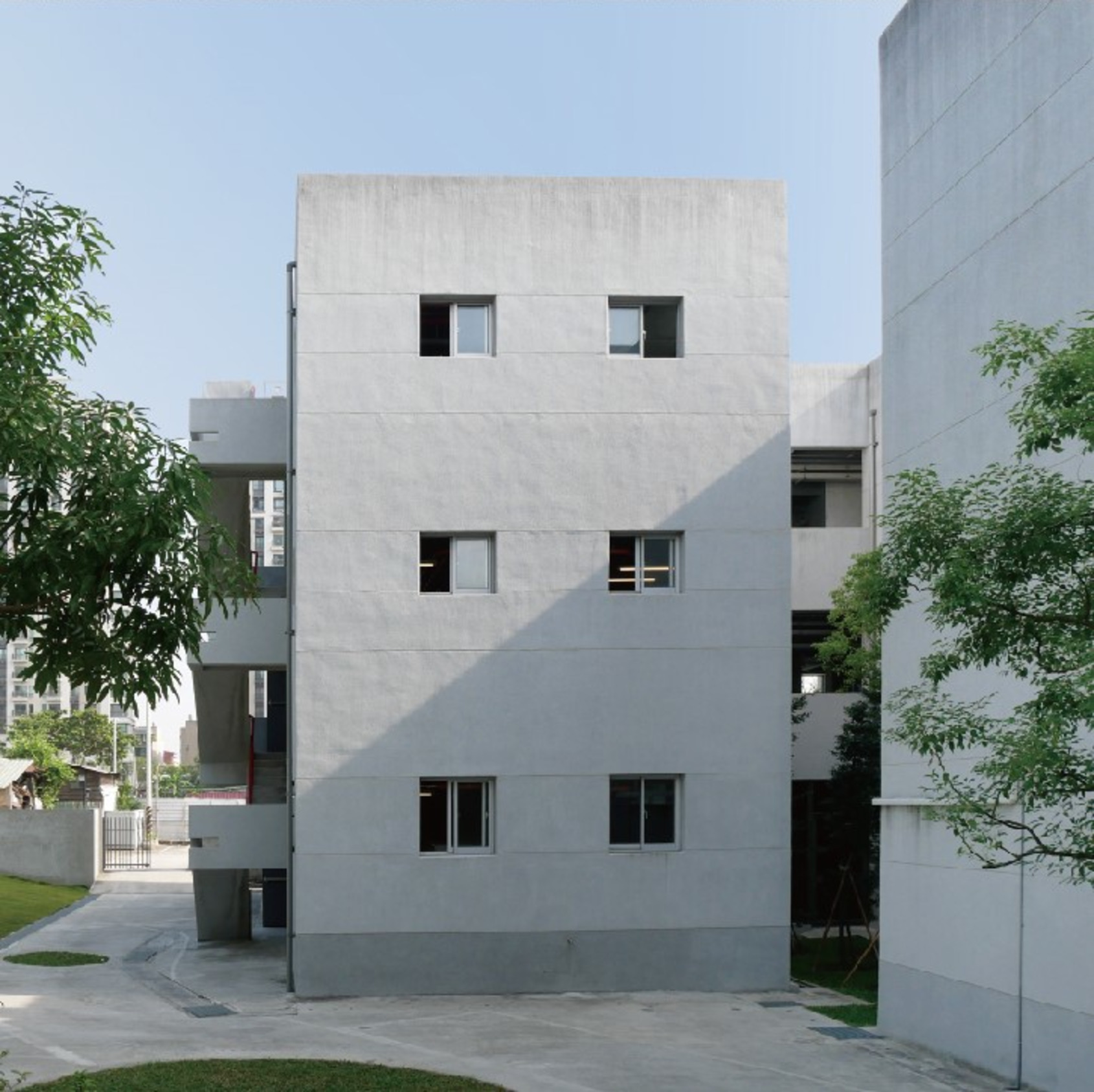
ALIEN Art Centre | Architectural View | Post-Restoration | 2018 | Restored by ALIEN Arts Co., Ltd. and reopened to the public as a contemporary art museum | © ALIEN Art Centre
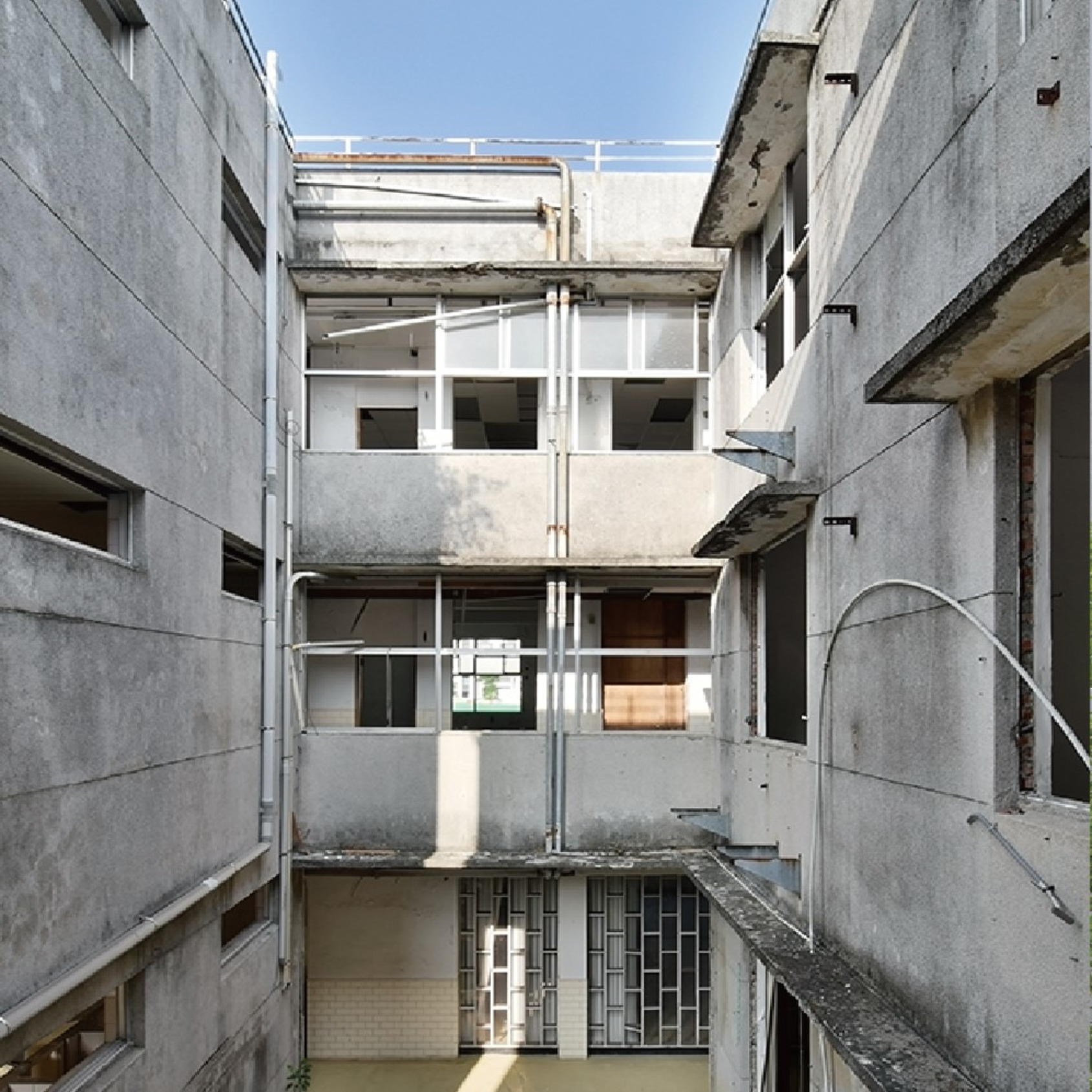
ALIEN Art Centre | Architectural Archives | 1967–2016 | Pre-Restoration View (formerly the Kinma Military Hostel / Command Center for the Railway Underground Project, Taiwan Railway Reconstruction Bureau, MOTC) | © ALIEN Art Centre
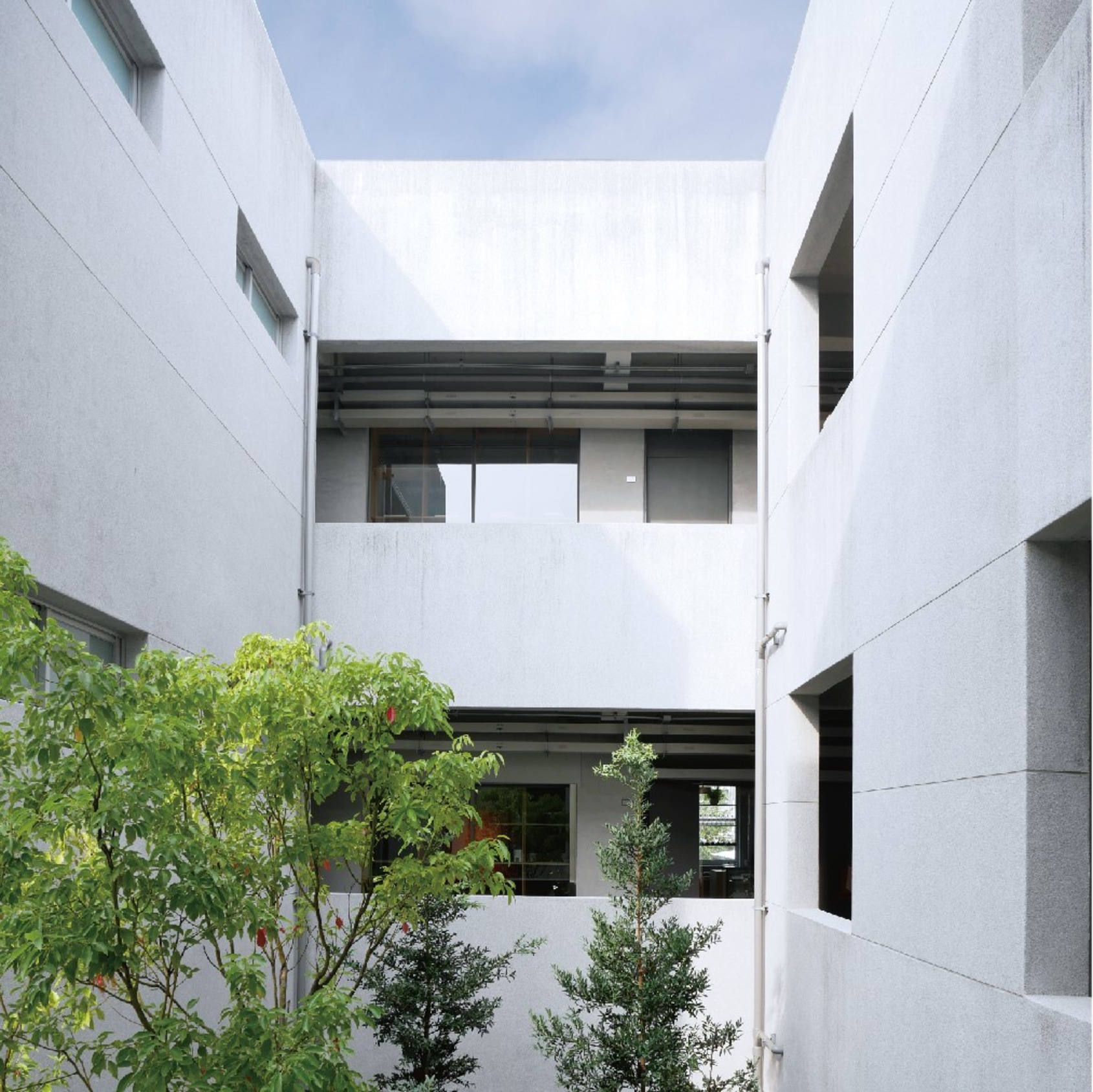
ALIEN Art Centre | Architectural View | Post-Restoration | 2018 | Restored by ALIEN Arts Co., Ltd. and reopened to the public as a contemporary art museum | © ALIEN Art Centre
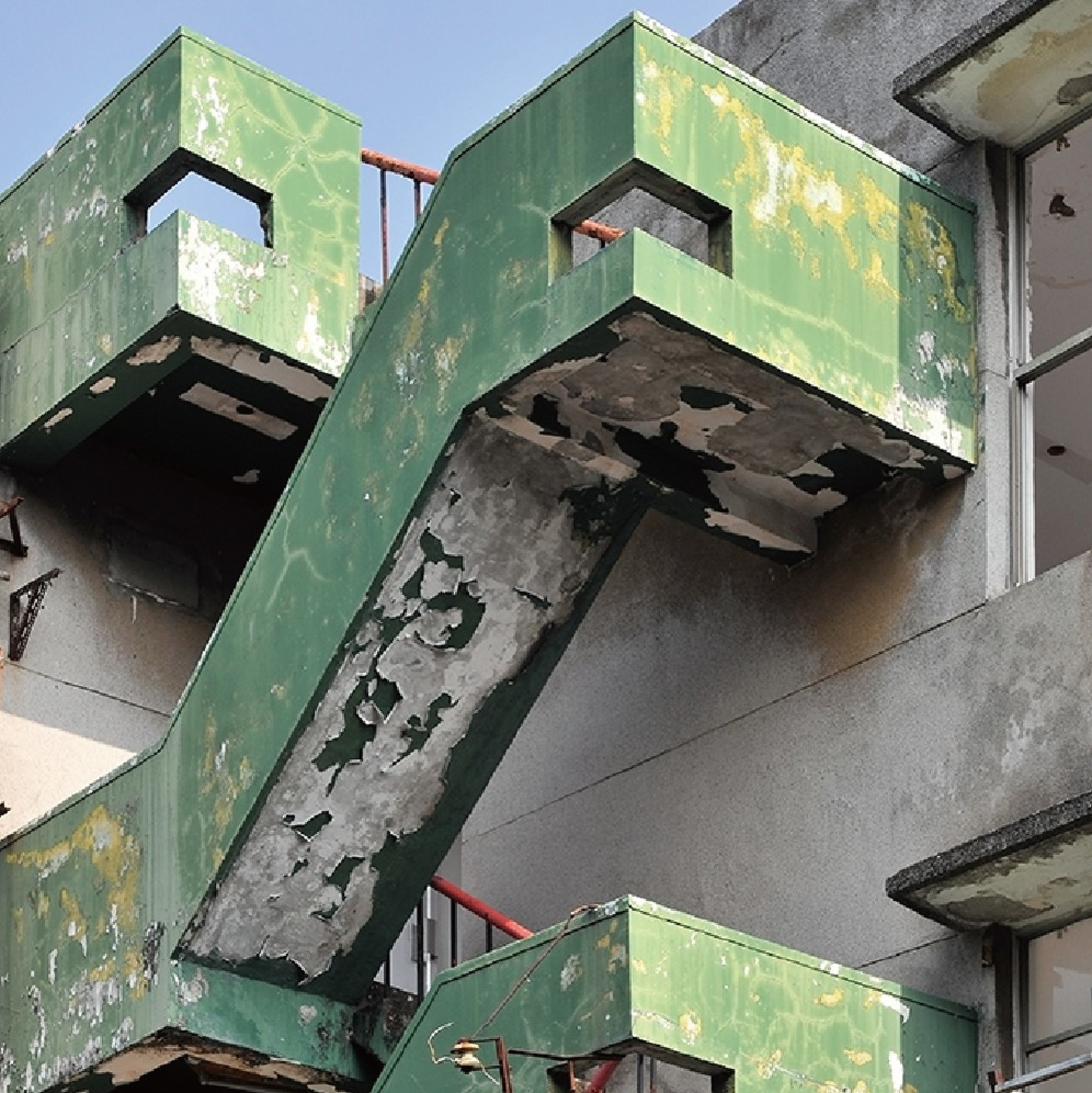
ALIEN Art Centre | Architectural Archives | 1967–2016 | Pre-Restoration View (formerly the Kinma Military Hostel / Command Center for the Railway Underground Project, Taiwan Railway Reconstruction Bureau, MOTC) | © ALIEN Art Centre
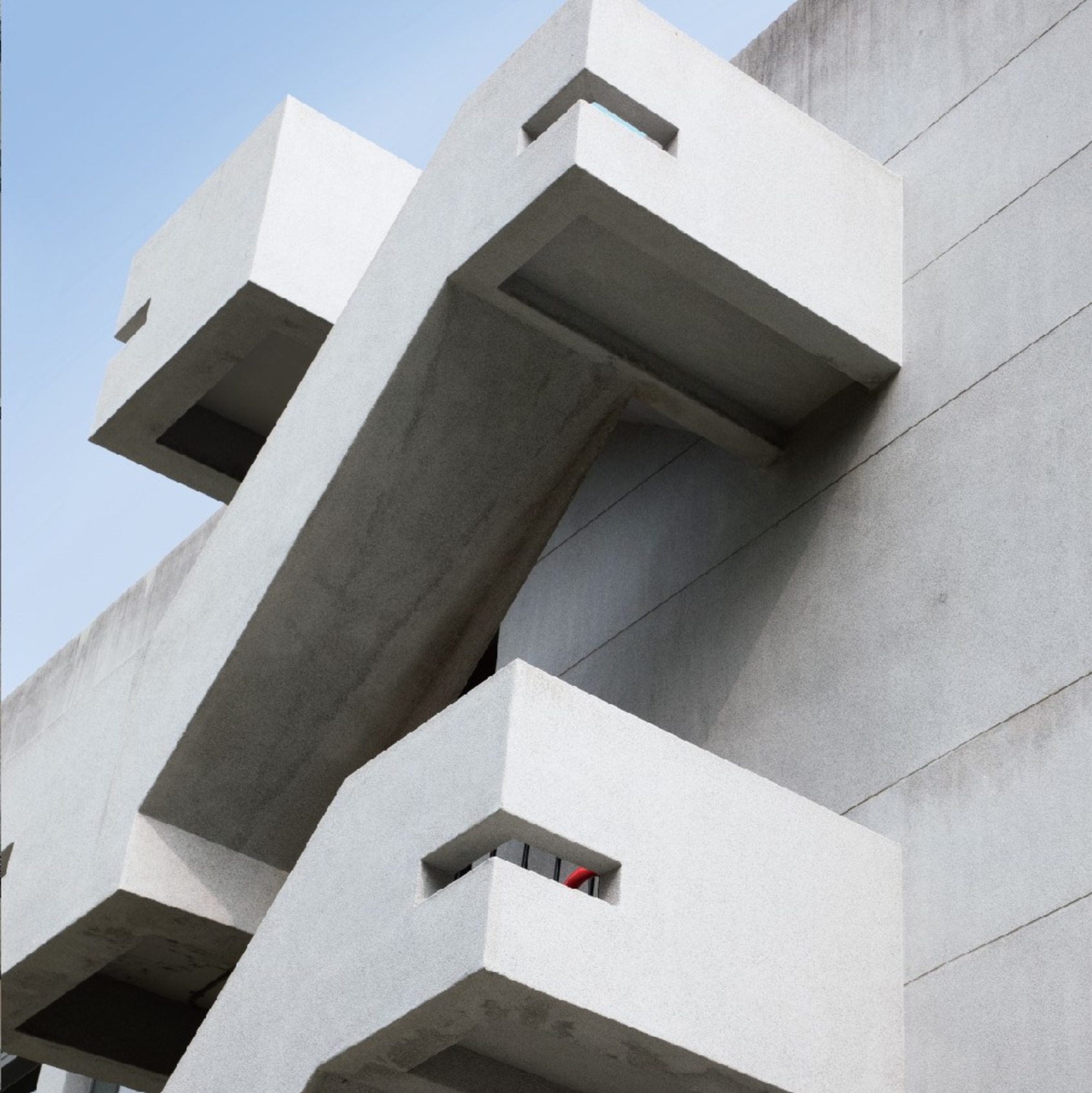
ALIEN Art Centre | Architectural View | Post-Restoration | 2018 | Restored by ALIEN Arts Co., Ltd. and reopened to the public as a contemporary art museum | © ALIEN Art Centre
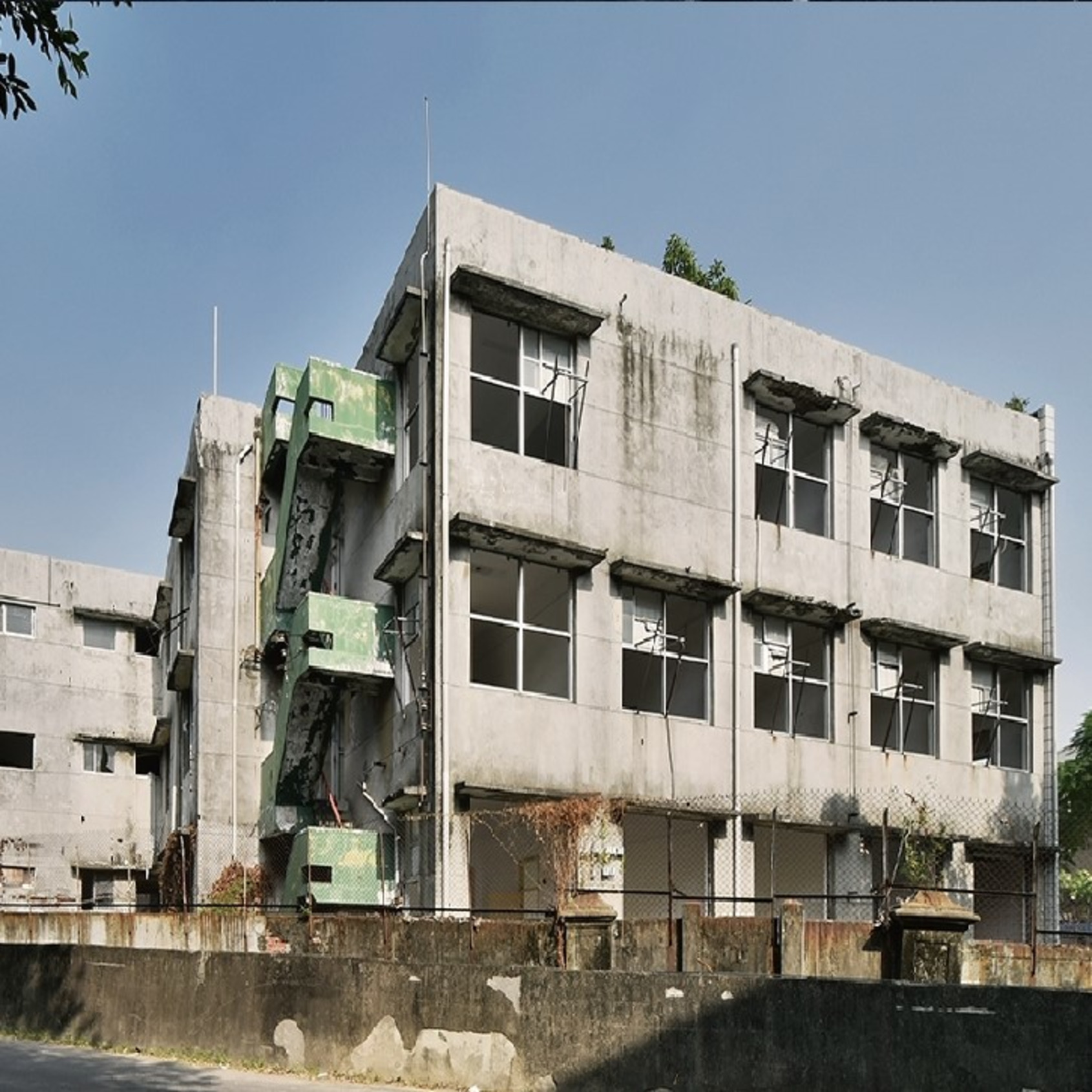
ALIEN Art Centre | Architectural Archives | 1967–2016 | Pre-Restoration View (formerly the Kinma Military Hostel / Command Center for the Railway Underground Project, Taiwan Railway Reconstruction Bureau, MOTC) | © ALIEN Art Centre
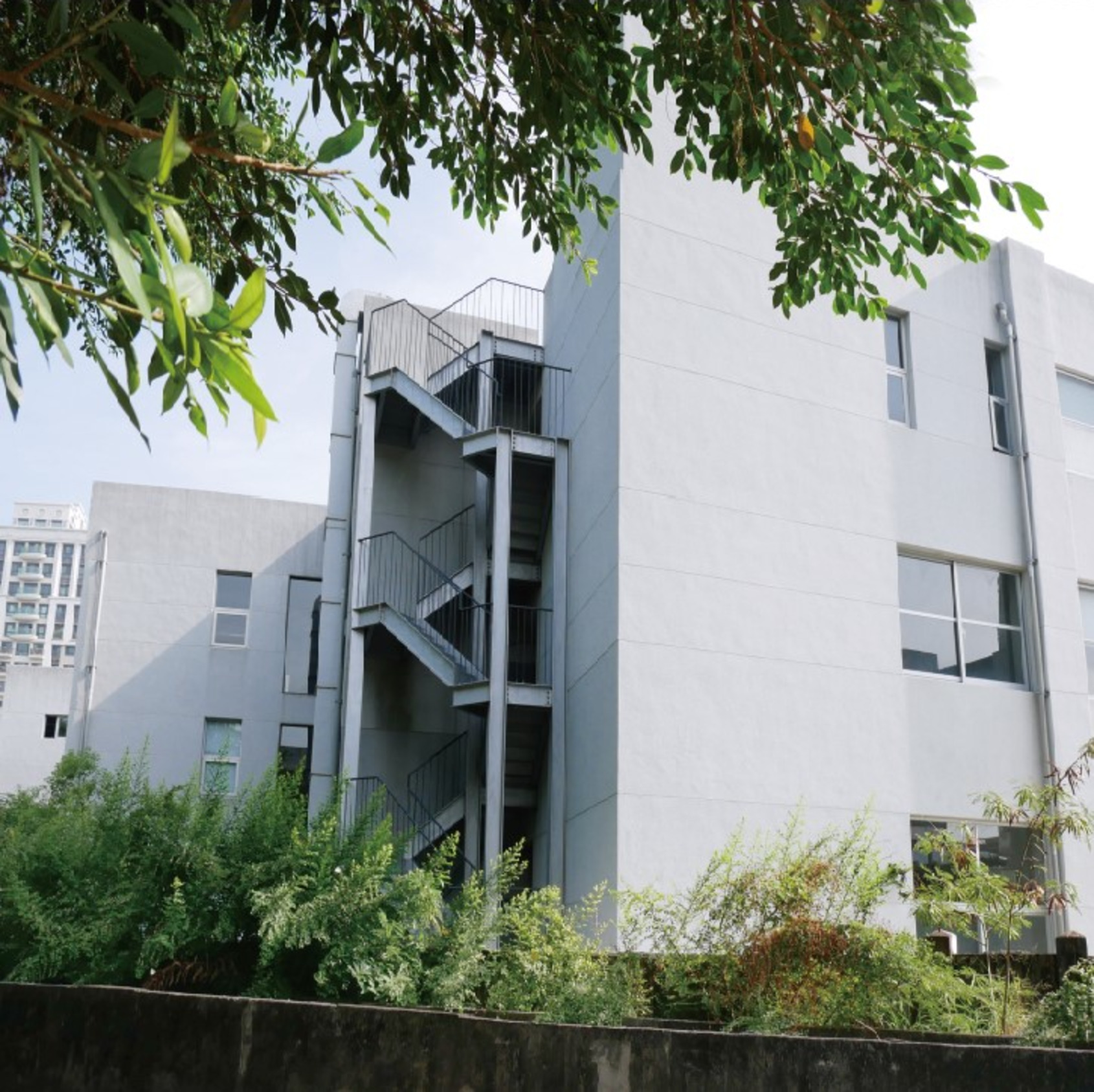
ALIEN Art Centre | Architectural View | Post-Restoration | 2018 | Restored by ALIEN Arts Co., Ltd. and reopened to the public as a contemporary art museum | © ALIEN Art Centre
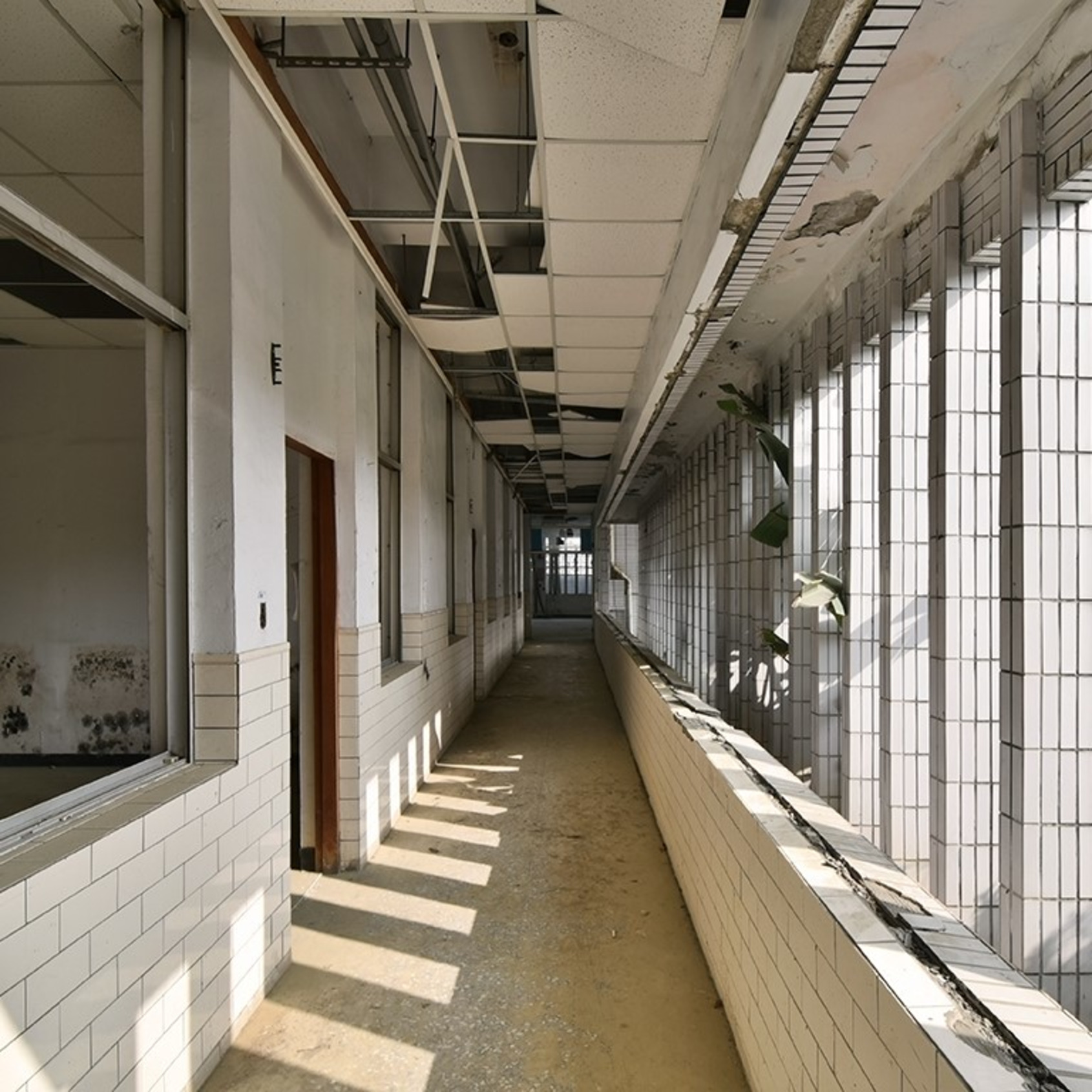
ALIEN Art Centre | Architectural Archives | 1967–2016 | Pre-Restoration View (formerly the Kinma Military Hostel / Command Center for the Railway Underground Project, Taiwan Railway Reconstruction Bureau, MOTC) | © ALIEN Art Centre
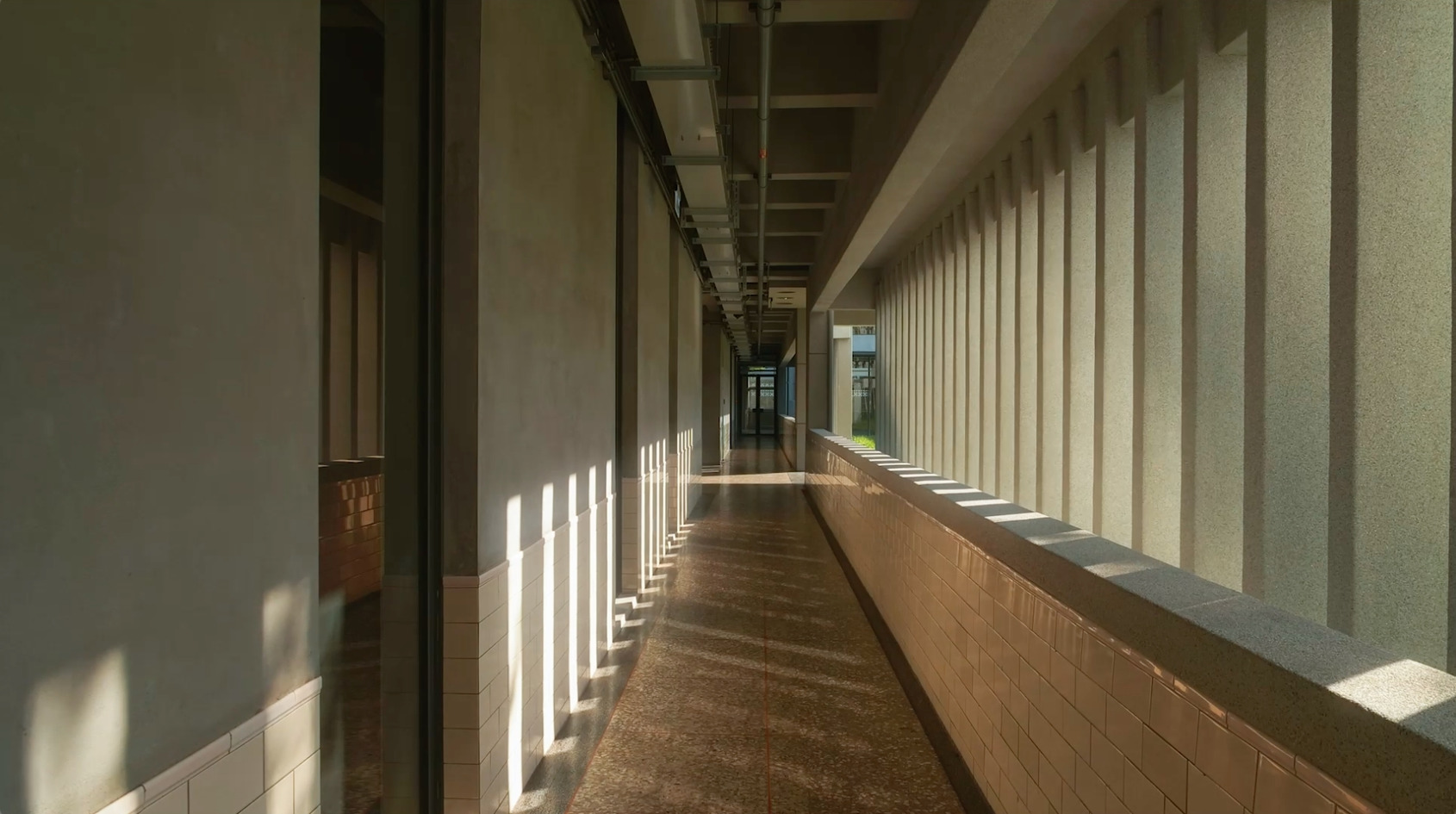
ALIEN Art Centre | Architectural View | Post-Restoration | 2018 | Restored by ALIEN Arts Co., Ltd. and reopened to the public as a contemporary art museum | © ALIEN Art Centre